
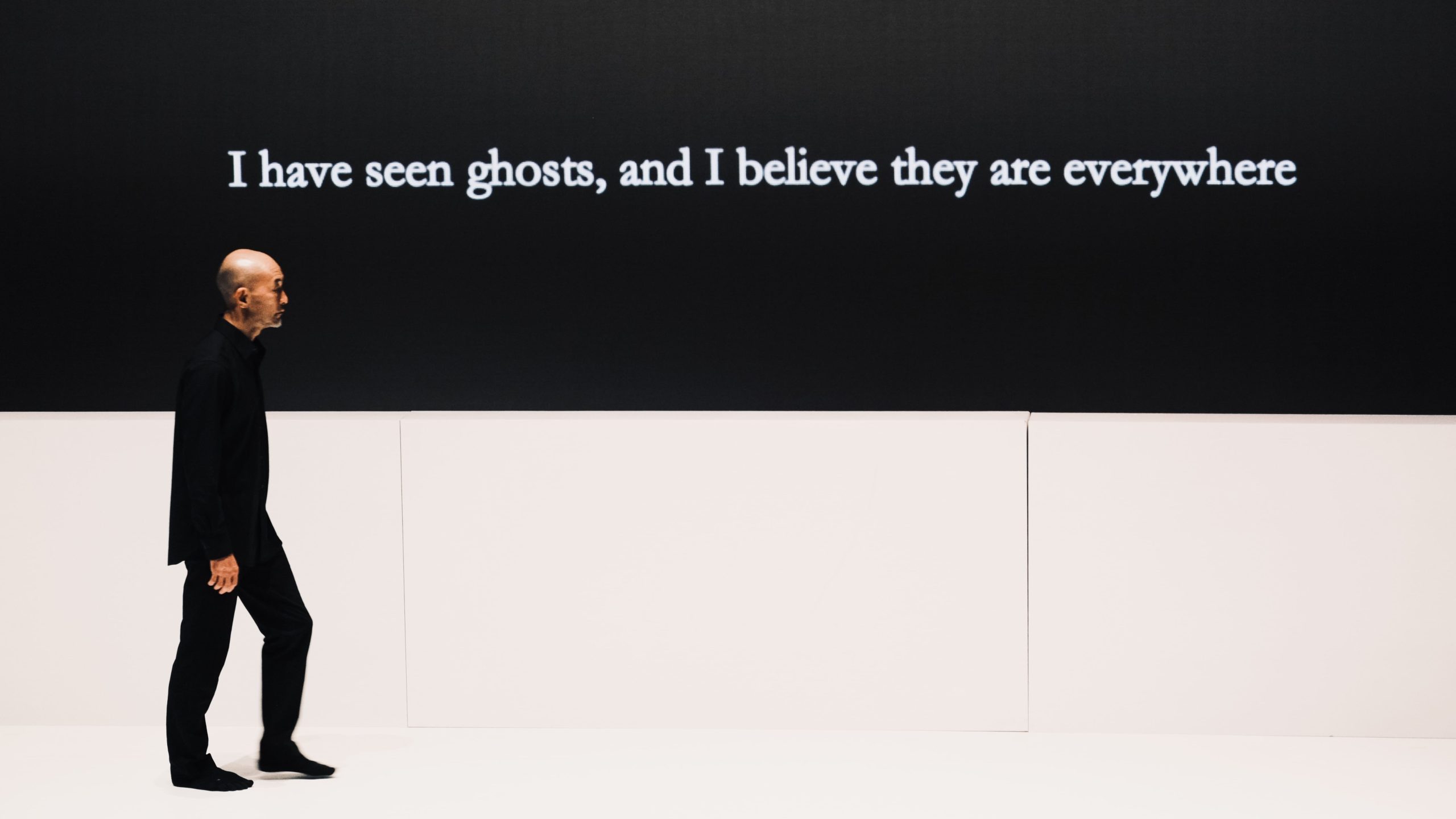
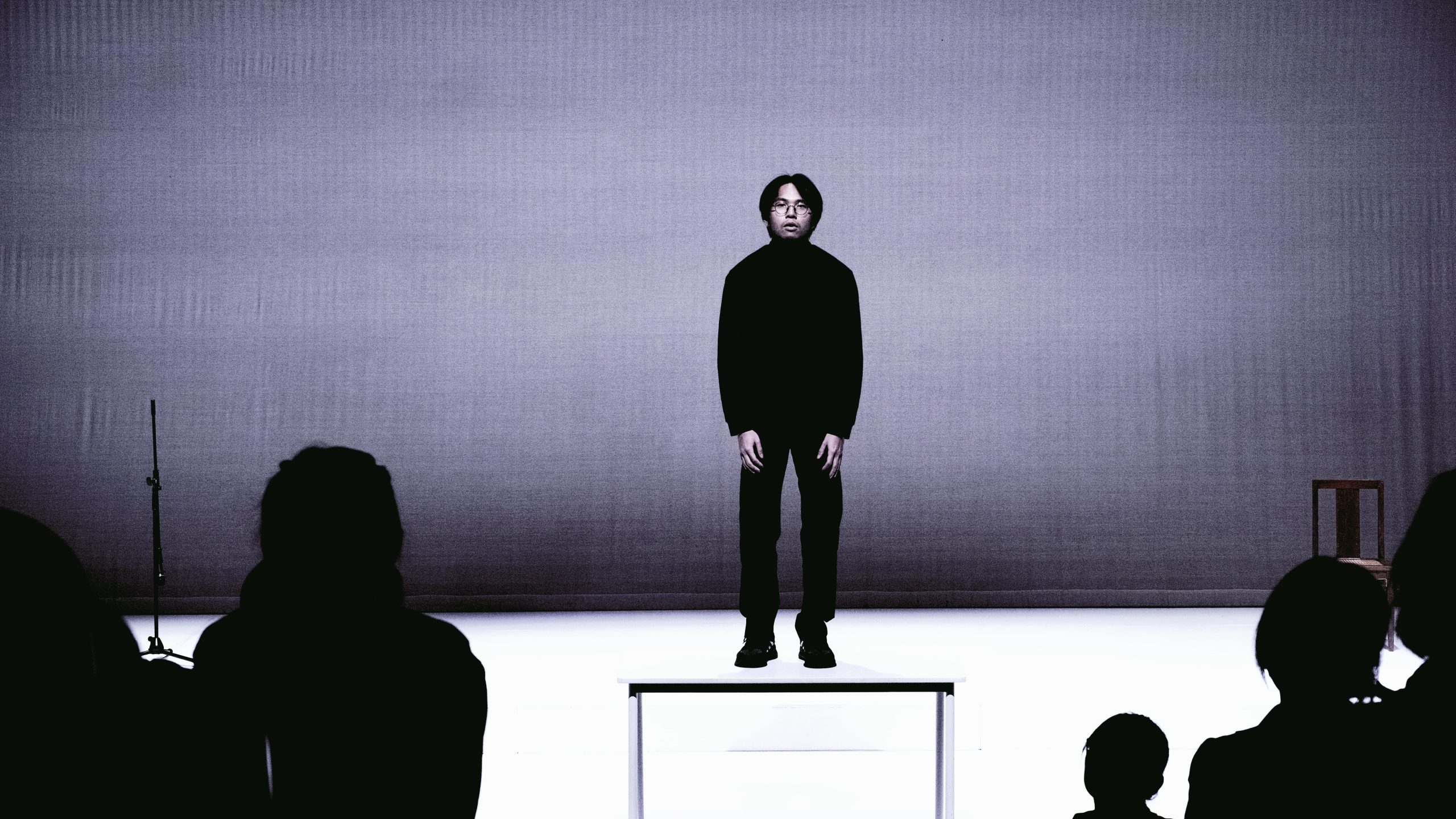
“Have you ever seen a ghost?” He only saw shadows flitting outside the theatre.
“Do you believe in gods?” He refuses to believe that the stage is merely an illusion of the mystical. — Danny Yung, Co-Artistic Director of Zuni Icosahedron
If the theatre was once a sanctuary where humans, ghosts, and gods meet, what remains of it today?
For years, Danny Yung, Co-Artistic Director of Zuni Icosahedron, has persistently questioned: Where does theatre come from?
And what form could an arts festival take in the future?
In ancient times, the “stage” was originally a sacred ground for communication between humans, ghosts, and spirits. Rituals, as a form of collective action, carried humanity’s understanding of the universe and served as a response to the unknown and the perplexing.
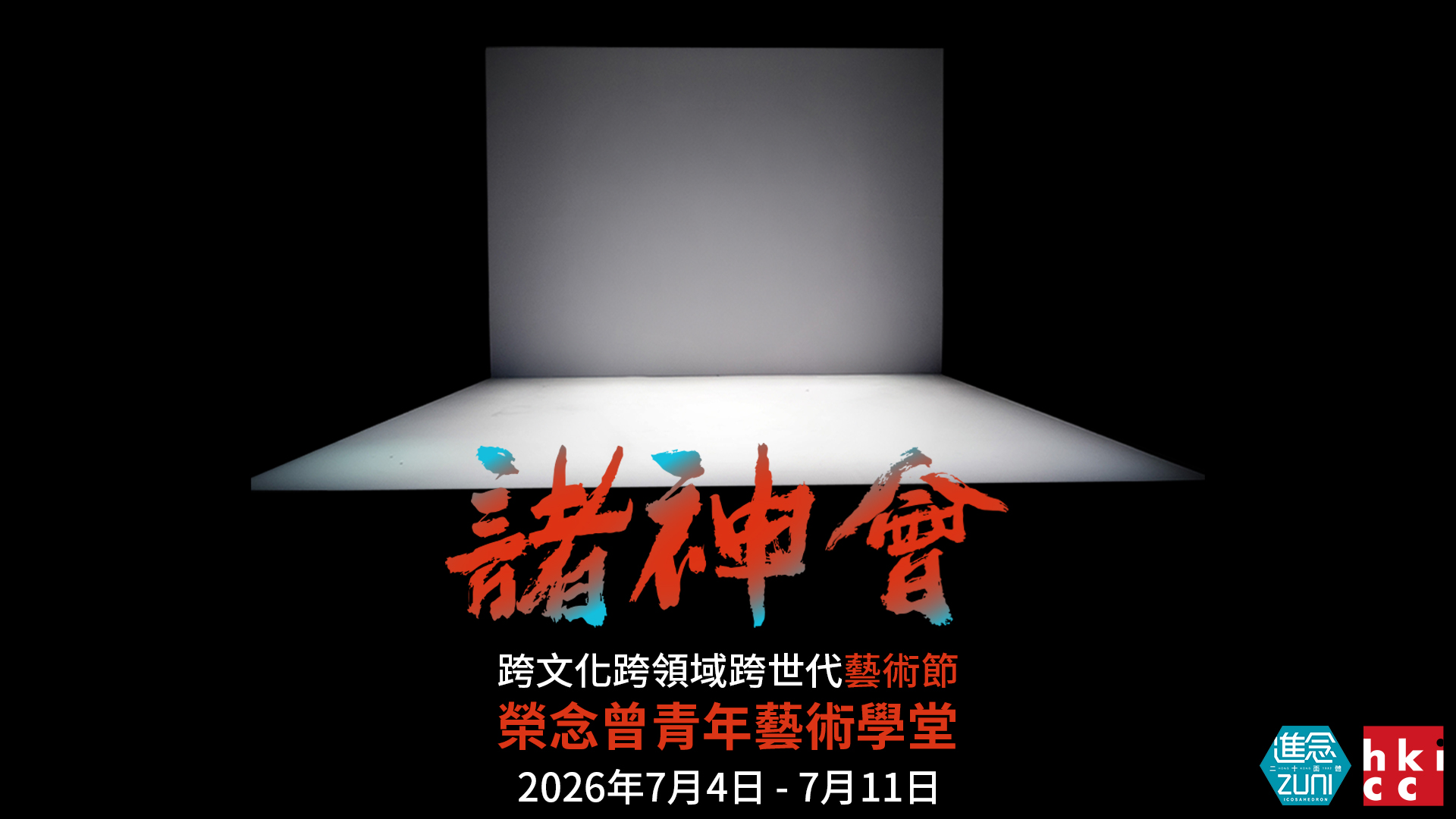
To celebrate the 30th anniversary of the the Hong Kong Institute of Contemporary Culture (HKICC) and the 20th anniversary of the HKICC Lee Shau Kee School of Creativity, Zuni Icosahedron and the Hong Kong Contemporary Cultural Centre jointly present the newly curated Meeting of Gods Festival & Danny Yung Young Artists Academy 2026.
Guided by the idea of “Meeting of Gods”, the Festival revisits and reflects upon the essence of theatre as both a public space and a spiritual arena, bringing together contemporary and traditional performing artists from across Asia.
We invite the audience to be present at the theatre together. Across seven performances, post-show talks, and dialogues, let us collectively perceive the theatre as a sacred place of present-moment gathering.
Danny Yung Young Artists Academy 2026 is the second edition this year developed from the 3-year collaboration between Nanyang Academy for Fine Arts, University of the Arts Singapore. 19 final year students of the BA (Hons) Contemporary Chinese Theatres program come to spend 2 weeks in this program curated by Danny Yung for training and exchanges.
Seven PerformancesOne Table Two Chairs: Four Encounters of Art, Education, and CultureYoung Artists Academy
Danny Yung
Liu Xiaoyi
Steve Hui (aka NERVE)
Danny Yung “Book of Ghosts 2026”, “Meeting of Gods 2026”Liu Xiaoyi “School of thought 2026”Susie Au “Off the Boundary”Xie Shu “Off the Boundary”Steve Hui (aka NERVE) "Trial: Noise"Edward Lam “14 Variations on the Theme of Yi Yi (Excerpt)”Olivier Cong “The Border”
Makoto MatsushimaRady NgetPark HobinXiao XiangpingRen JialeYang Junfeng
Zhang YanAlve FuCheng Pak Lun, LawrenceCheung Cheuk MeiCheung Man Yung, AliceMok Dick LongRay TangWong Lok KiWang Hung-yuanHuang Ren-jieHo Ting WaiDarwin NgChou Shu-Yi
Lam Yip
Yiu Hoi Lam, Melody
Kaili Peng
Chloe Li (Creative and Forum)Jane Cheuk (Admin)Martin Choy (Creative)Cindy Cheung (Young Artist Academy)
Students of Nanyang Academy of Fine Arts, University of the Arts Singapore (x19)Students of HKICC Lee Shau Kee School of CreativityStudents from secondary schools in Hong Kong


This festival brings together installation, contemporary theatre, contemporary dance, traditional opera, sound, moving image, and ritual performance, unfolding seven cross-cultural live works by seven directors.
From 4 to 11 July 2026, the seven performances include: Danny Yung’s Book of Ghosts 2026, Danny Yung’s Meeting of Gods 2026, Susie Au × Xie Shu’s Off the Boundary, Steve Hui’s Trial: Noise, Edward Lam’s 14 Variations on the Theme of Yi Yi (Excerpt), Olivier Cong’s The Border, and Liu Xiaoyi’s School of Thoughts 2026.
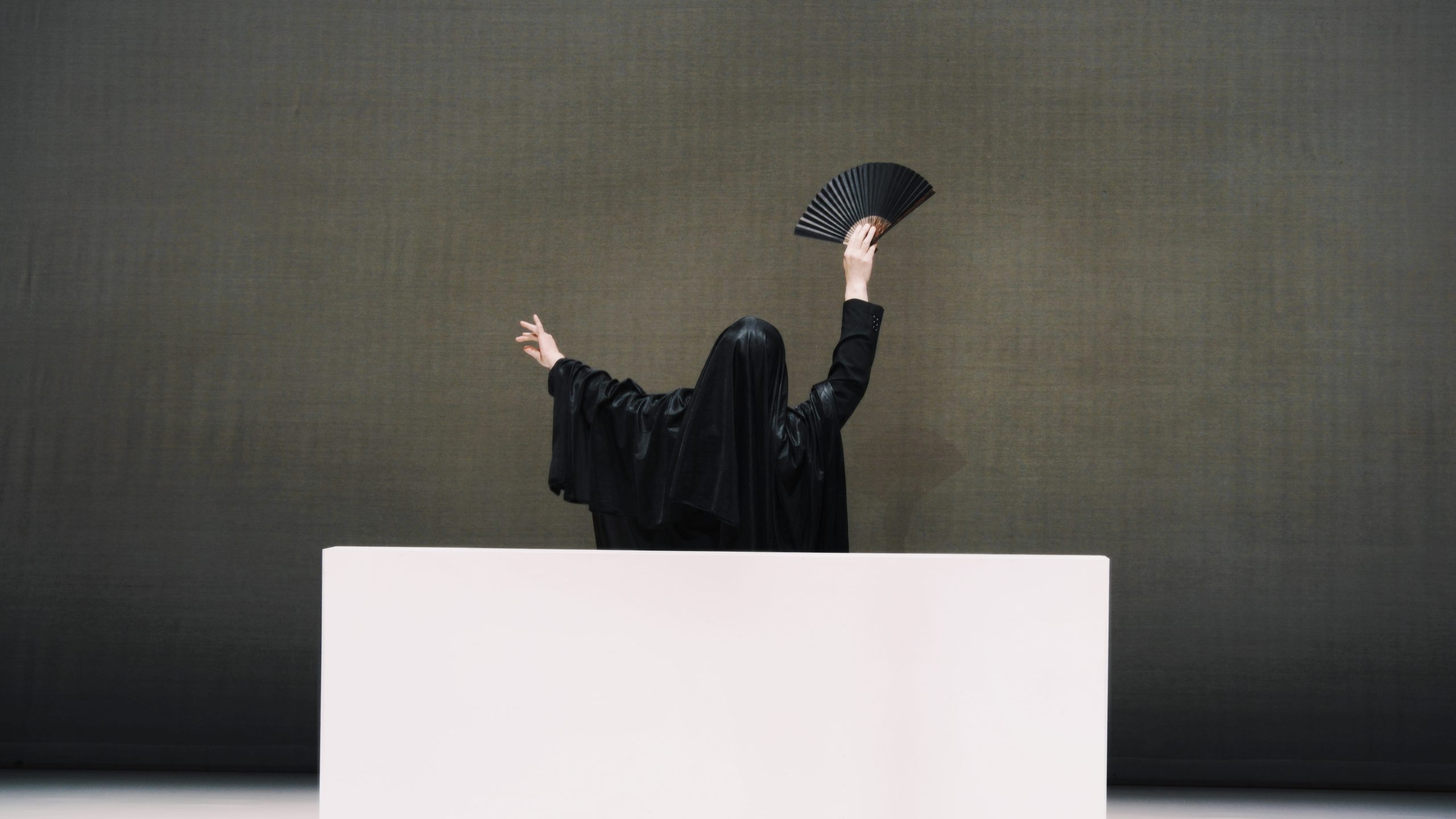
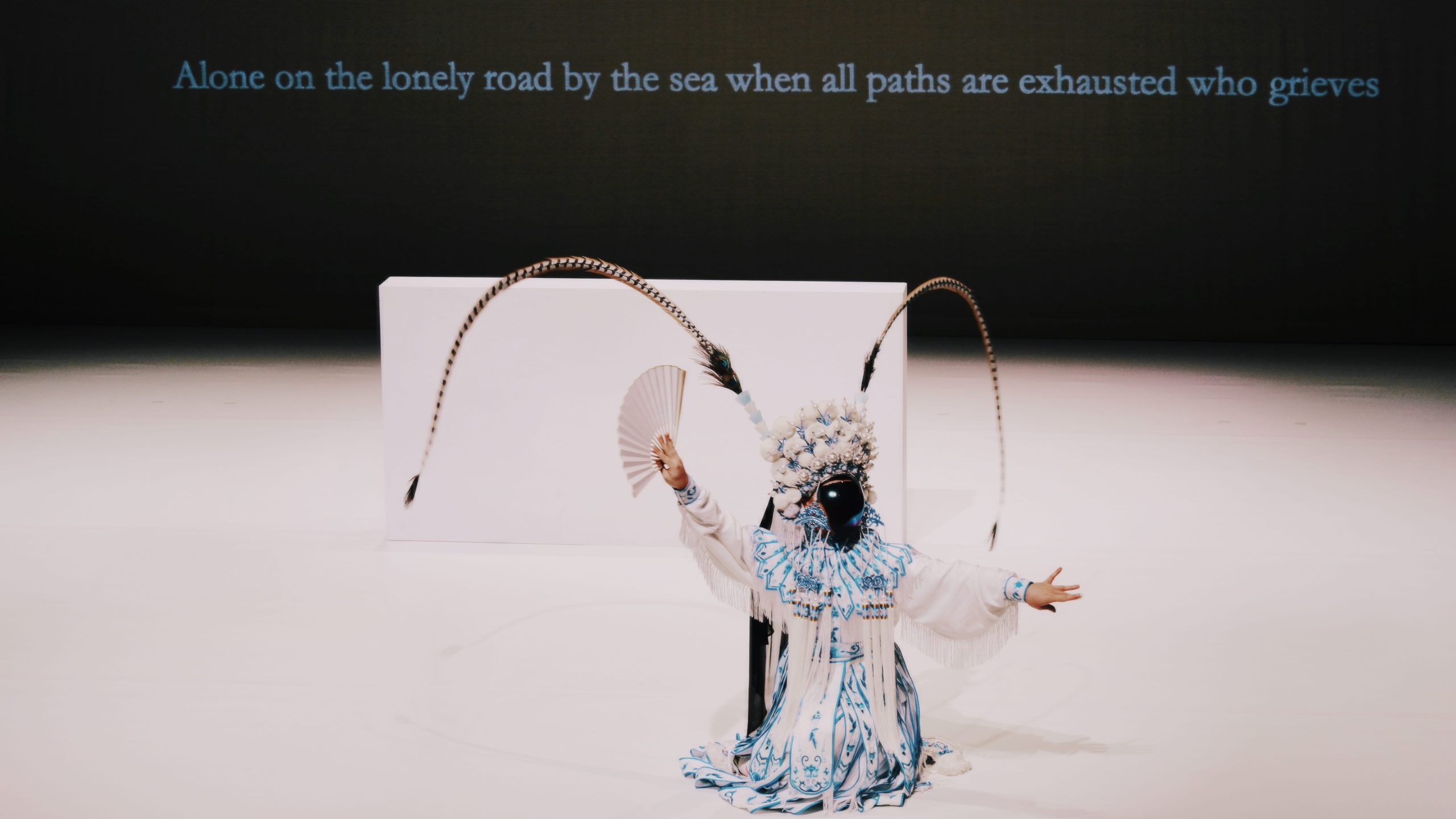
Director: Danny Yung
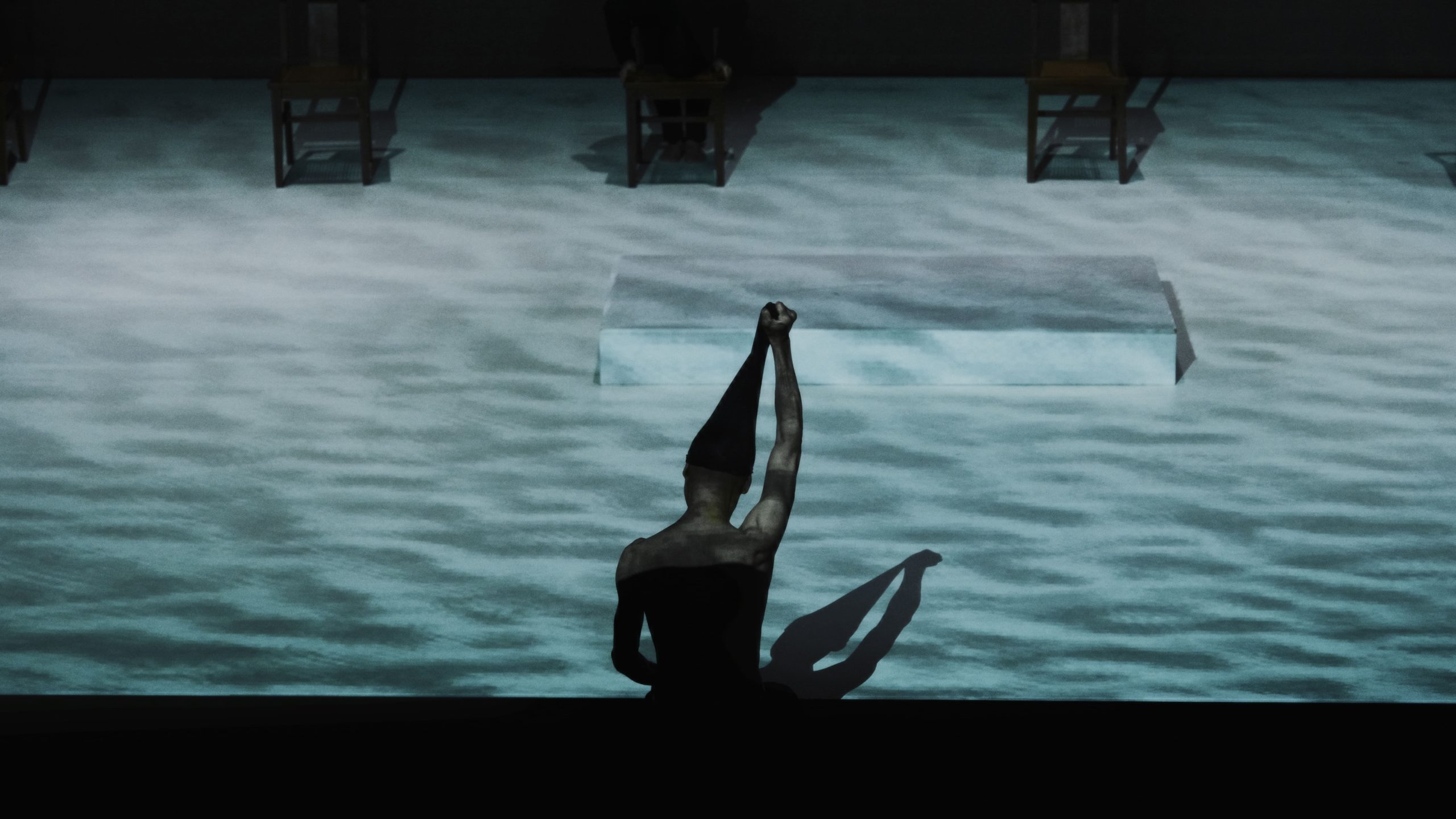
A brand-new, cross-spatial opening performance, The Book of Ghosts 2026 moves from the outdoors into the traditional theatre of role-impersonation (fanchuan). Self-deprecatingly casting artists as “ghosts,” the piece transforms the stage into a ritual altar.
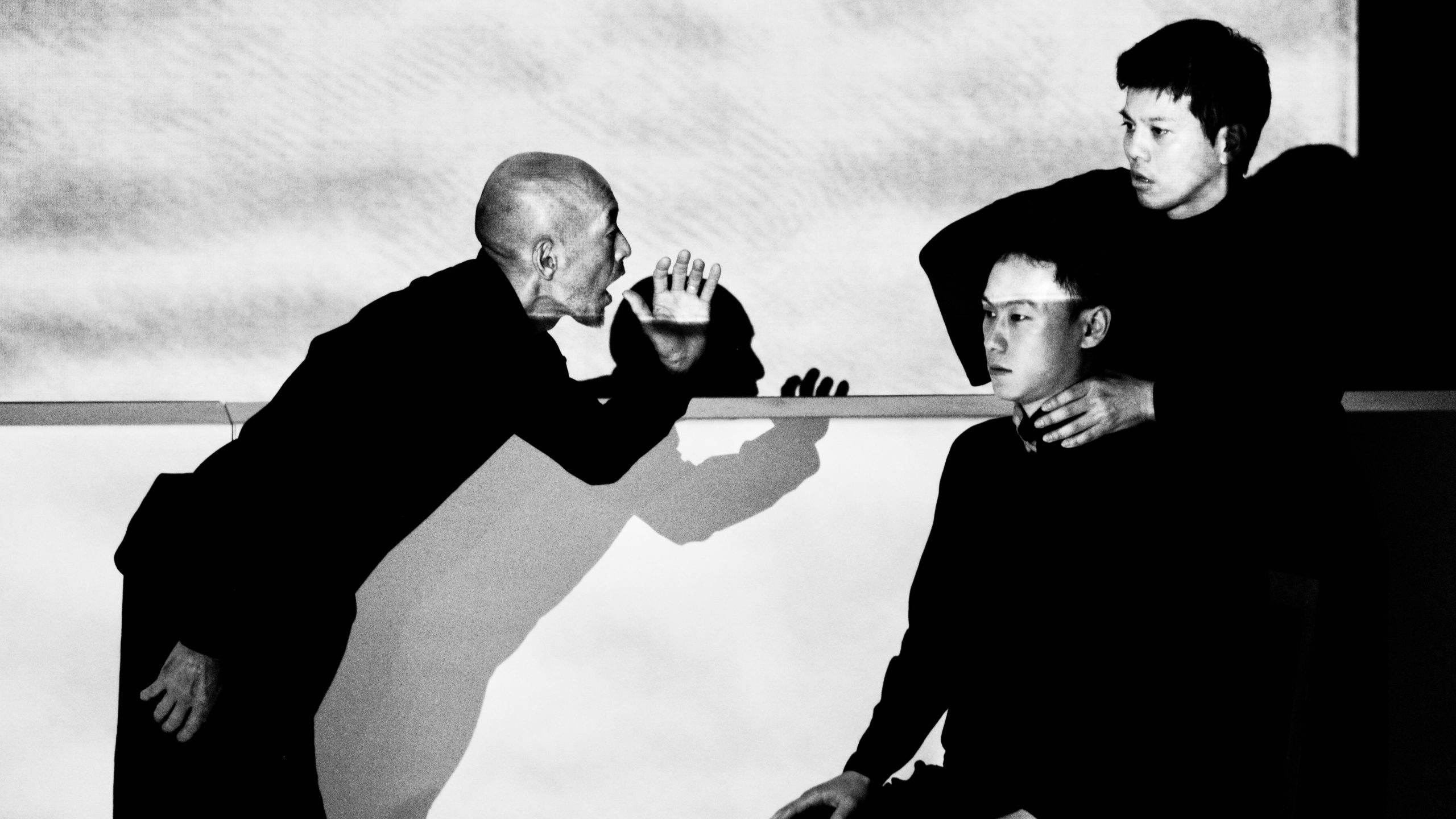
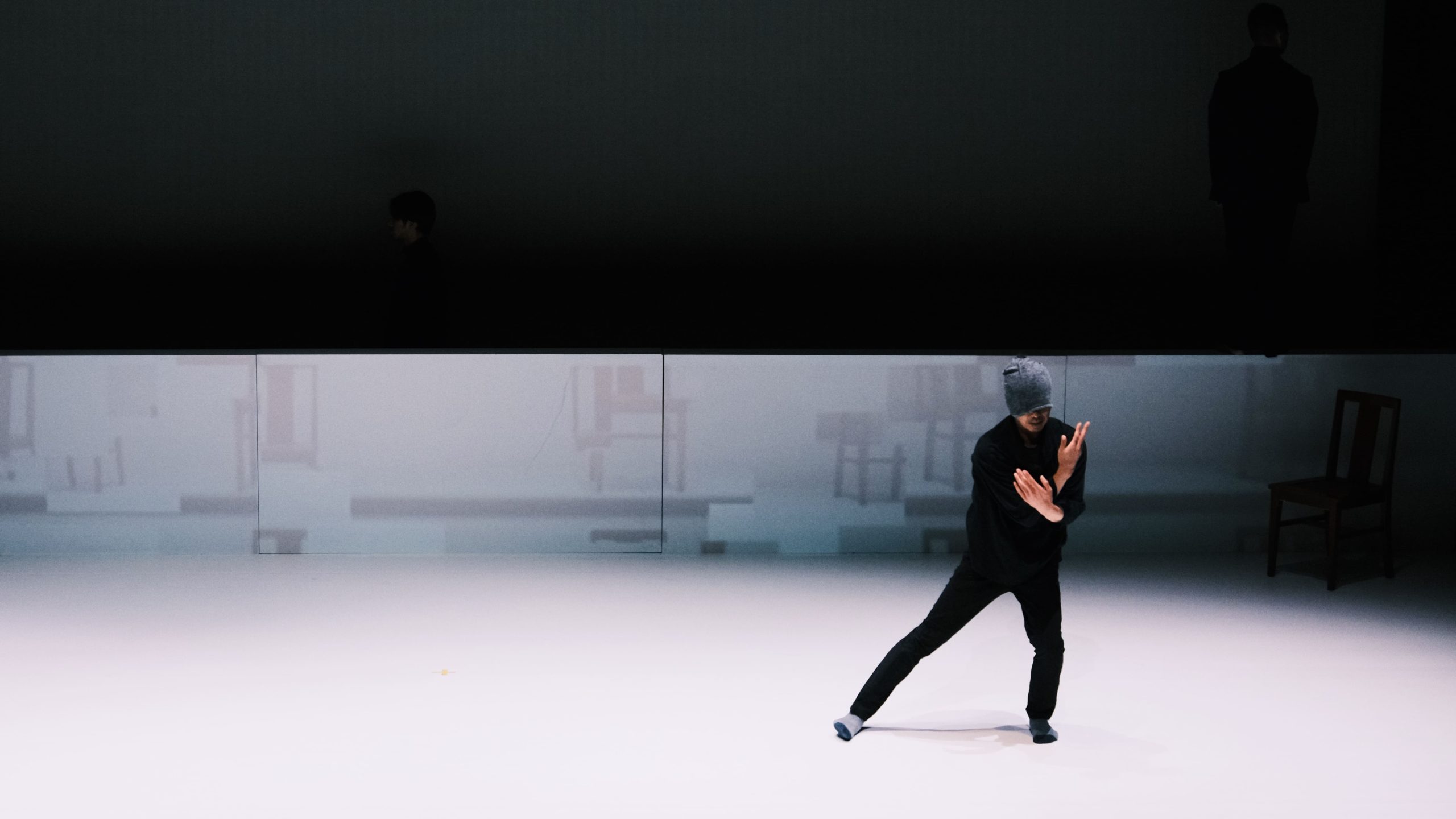
Director: Danny Yung
A brand-new intercultural collaborative performance, Meeting of Gods 2026
Elevating the artists to the status of “gods,” the participating artists include: Park Hobin (Seoul / Contemporary Dancer), Rady Nget (Phnom Penh / Cambodian Traditional Dance Choreographer & Performer), Makoto Matsushima (Tokyo / Dancer-Choreographer), as well as Chinese Traditional Opera Performers Yang Junfeng (Chongqing / Sichuan Opera) and Ren Jiale (Beijing / Peking Opera). Featuring a special guest appearance by Xiao Xiangping (Stockholm / Peking and Kunqu Opera) and three Hong Kong theatre performers including Mok Dick-long (Hong Kong/ Theatre Performer), Wong Lok-ki (Hong Kong/ Theatre Performer) and Martin Choy(Hong Kong/ Theatre Performer). Music directors are Steve Hui (Hong Kong / Cross-disciplinary Sound Artist) and Lam Yip (Hong Kong / Cross-disciplinary Percussionist).
Following this, from July 6 to July 11, Danny Yung has invited artists from Tokyo, Seoul, Phnom Penh, Beijing, Nanjing, Chongqing, and Hong Kong to come together for intercultural creations. Spanning diverse forms including installation, contemporary theatre, contemporary dance, traditional opera, sound, and video, they will transform the theatre into a ritual altar. With a different performance every day, each session features a post-show talk, allowing the audience to extend their experience from viewing to discussion and participation, navigating the very questions posed in the theatre.
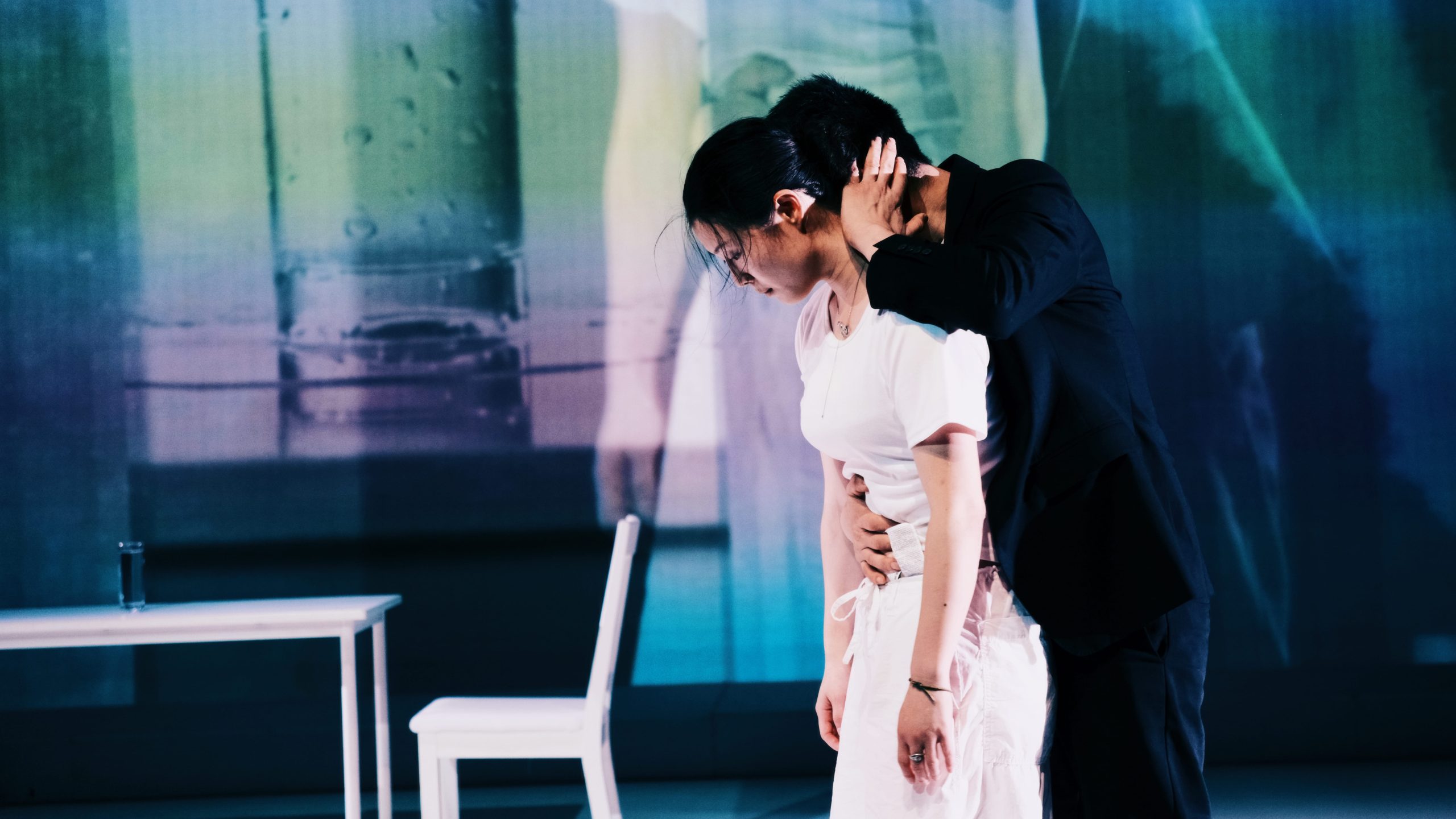
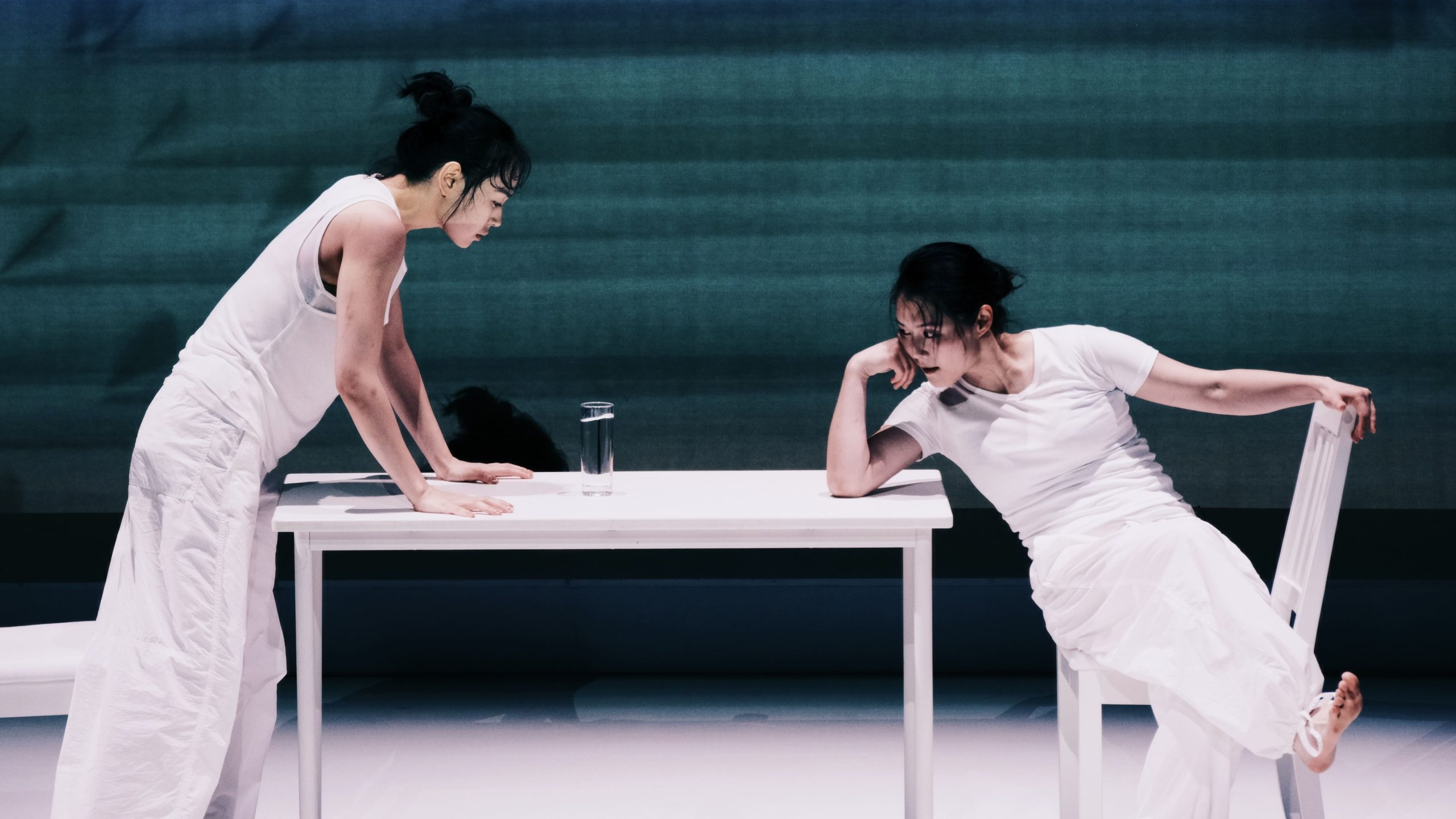
Director: Susie Au, Xie Shu
It’s an installation project and resists easy labelling. It holds image, sound, fragments of daily life, contemporary dance, shifting light, and theatre’s ghost. Not narrative theatre, but theatre as a question of enclosure: where does a body end and space begin? Where does memory become architecture?
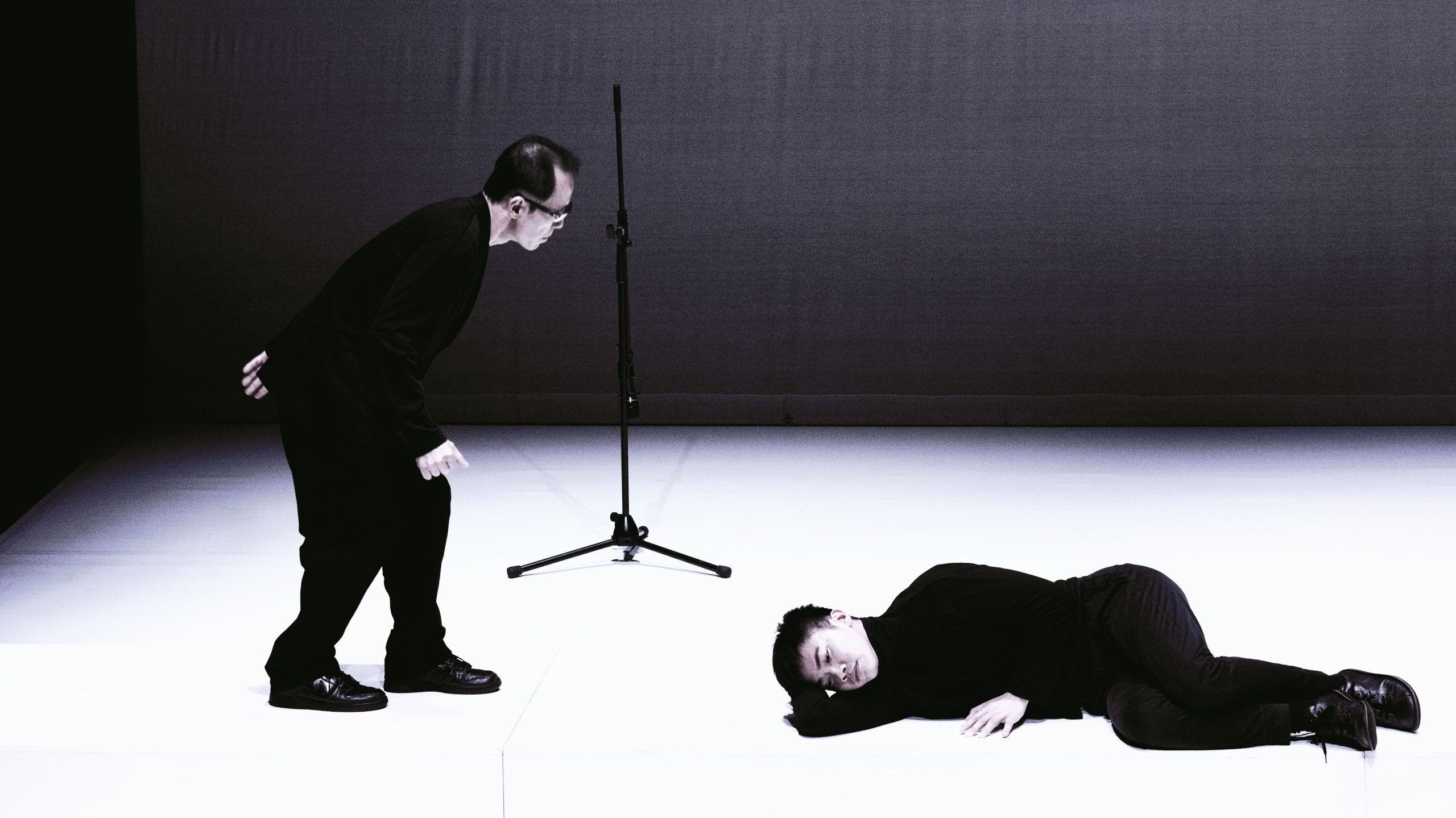
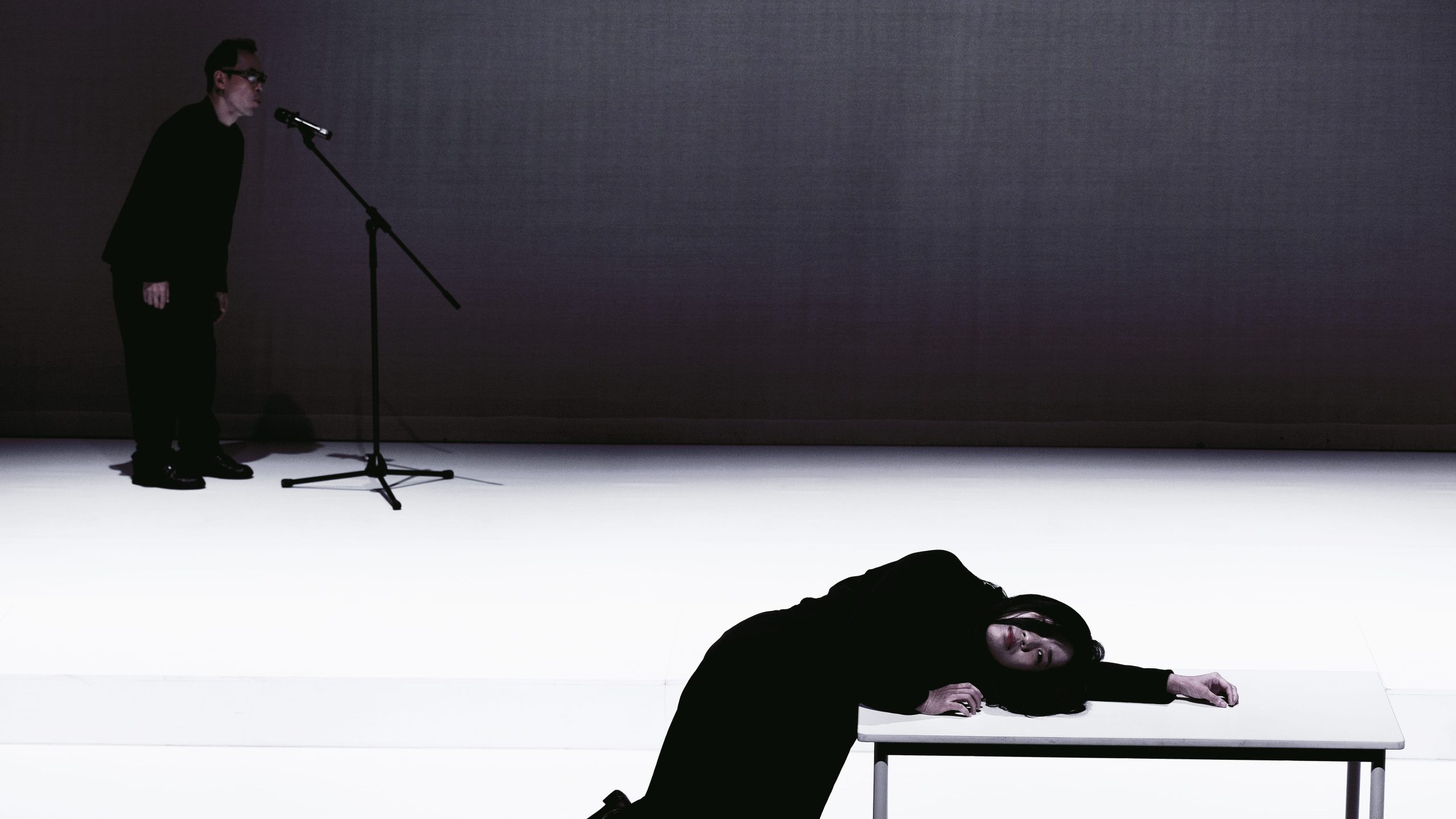
Director: Steve Hui (aka NERVE)
Collaboration:
– Makoto Matsushima (Tokyo / Dancer-Choreographer)
– Lam Yip (Hong Kong / Cross-disciplinary Percussionist)
– Cheng Pak-lun (Hong Kong / Theatre Performer)
– Cheung Cheuk-mei (Hong Kong / Theatre Performer)
– Cheung Man-yung (Hong Kong / Theatre Performer)
– Mok Dik-long (Hong Kong / Theatre Performer)
– Ray Tang (Hong Kong / Theatre Performer)
– Wang Lok-ki (Hong Kong / Theatre Performer)
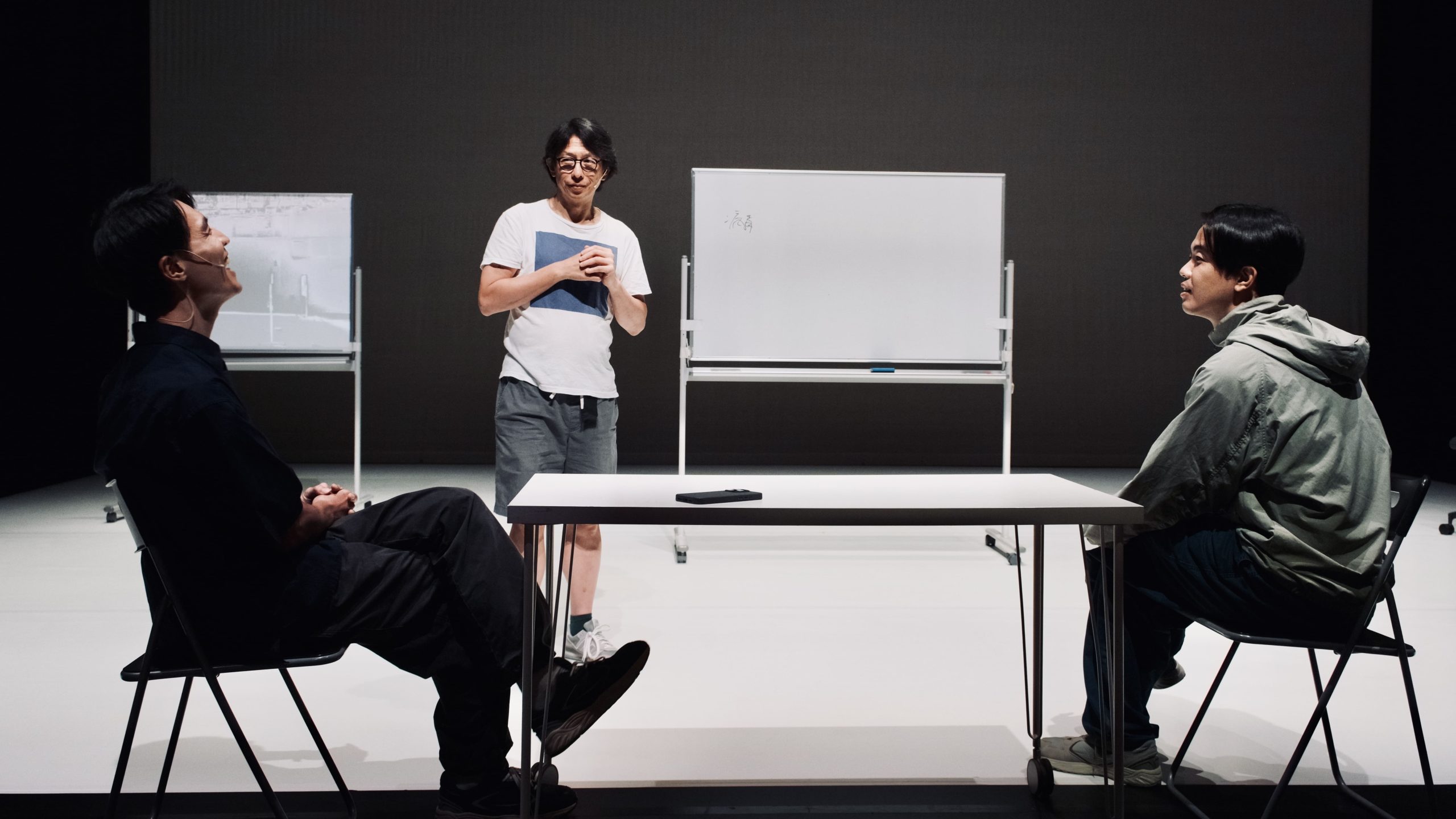
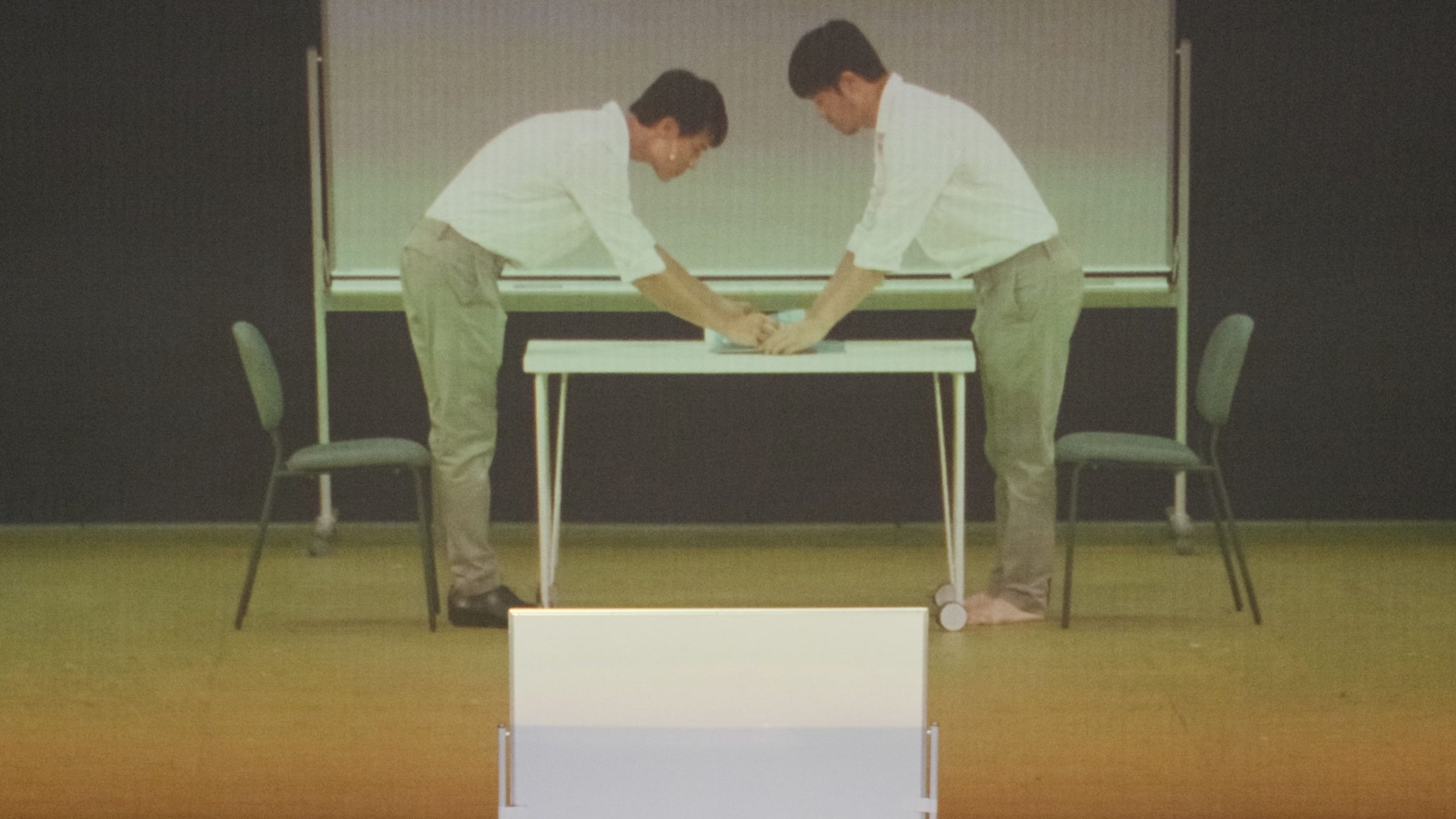
The performance categorizes noise into seven distinct textures: the tedious, the out-of-tune, the nauseating, the absurd, the piercingly tragic, the torturous, and the bone-chilling. In our daily lives, “sound” is omnipresent—and perhaps the same can be said for “noise,” whether it manifests as chaotic disarray or as disciplined order.
Director: Edward Lam (Hong Kong / Theatre Director and Playwright)
Chief Creative Advisor: Kaili PENG
Collaborators: Wang Hung-yuan (Taipei / Performer), Huang Ren-jie (Taipei / Performer), H0 Ting-wai (Hong Kong / Visual Artist), Darwin Ng (Hong Kong / Visual Artist)
Adapted from Director Edward Yang’s Original Work “A one and a two”
Licensed by Kailidoscope Pictures Inc.
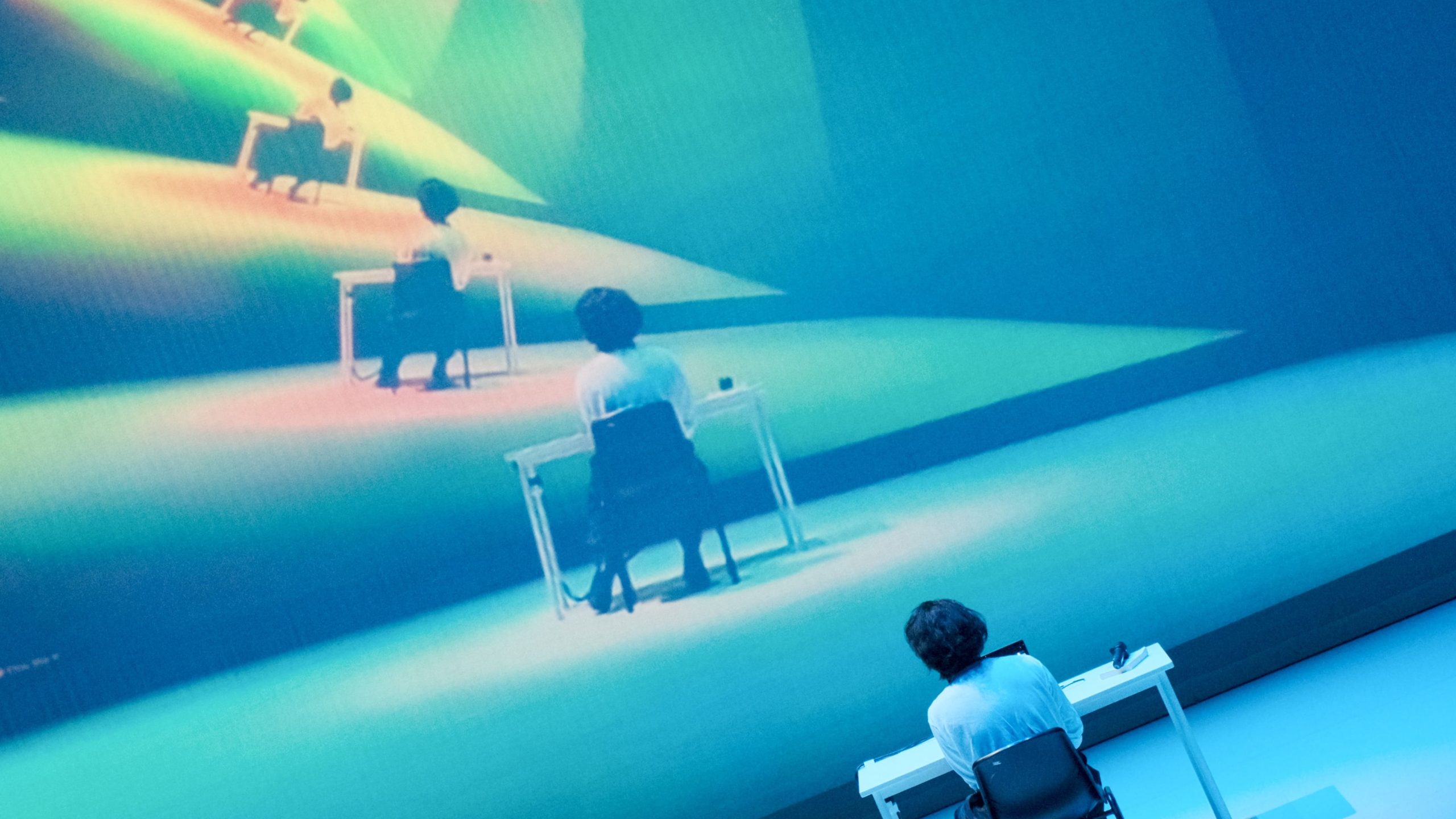
Edward Yang’s final masterpiece, Yi Yi, centers on the theme of “beginnings.” In the film, eight-year-old Yang-Yang experiences his first realization of what it truly means to see and not to see. In 2026, when cinema is no longer a voyage into the unknown, how can we discern what kind of unseen future lies behind the future we currently believe we see?
With the generous authorization of Chief Creative Advisor Kaili Peng, director Edward Lam will use his 2021 work A One and a Two as a blueprint. Collaborating with actors Wang Hung-yuan and Huang Ren-jie, alongside video artists Ho Ting Wai and Darwin Ng, they will tailor a bespoke iteration exclusively for Meeting of Gods Festival—for one performance only.
Director: Olivier Cong (Hong Kong / Musician, Theatre Director)
Collaborator: Chou Shu-yi (Kaohsiung / Dancer, choreographer, and curator)
“It takes so little, so infinitely little, for someone to find himself on the other side of the border, where everything—love, convictions, faith, history—no longer has meaning.” – Milan Kundera
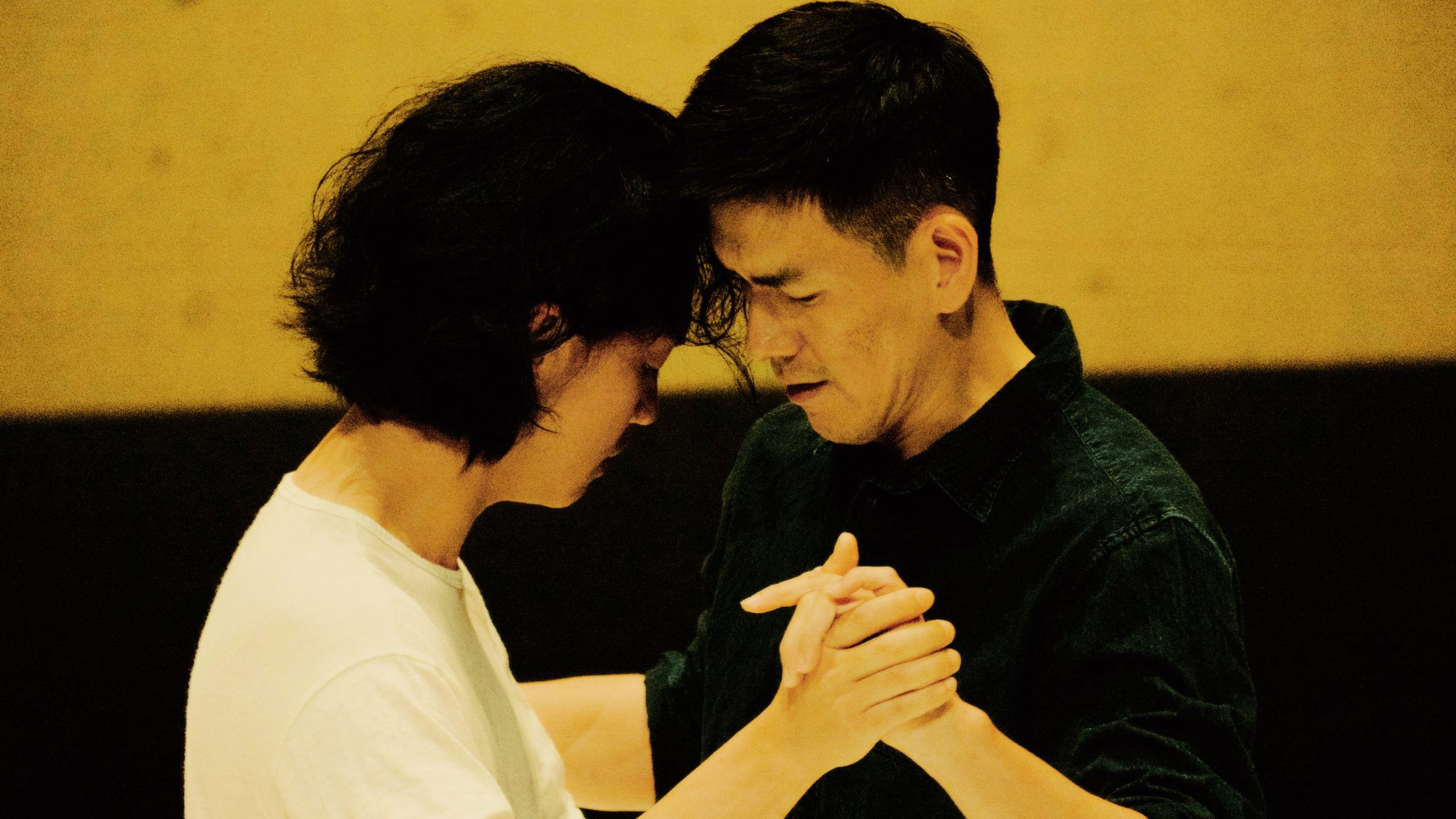
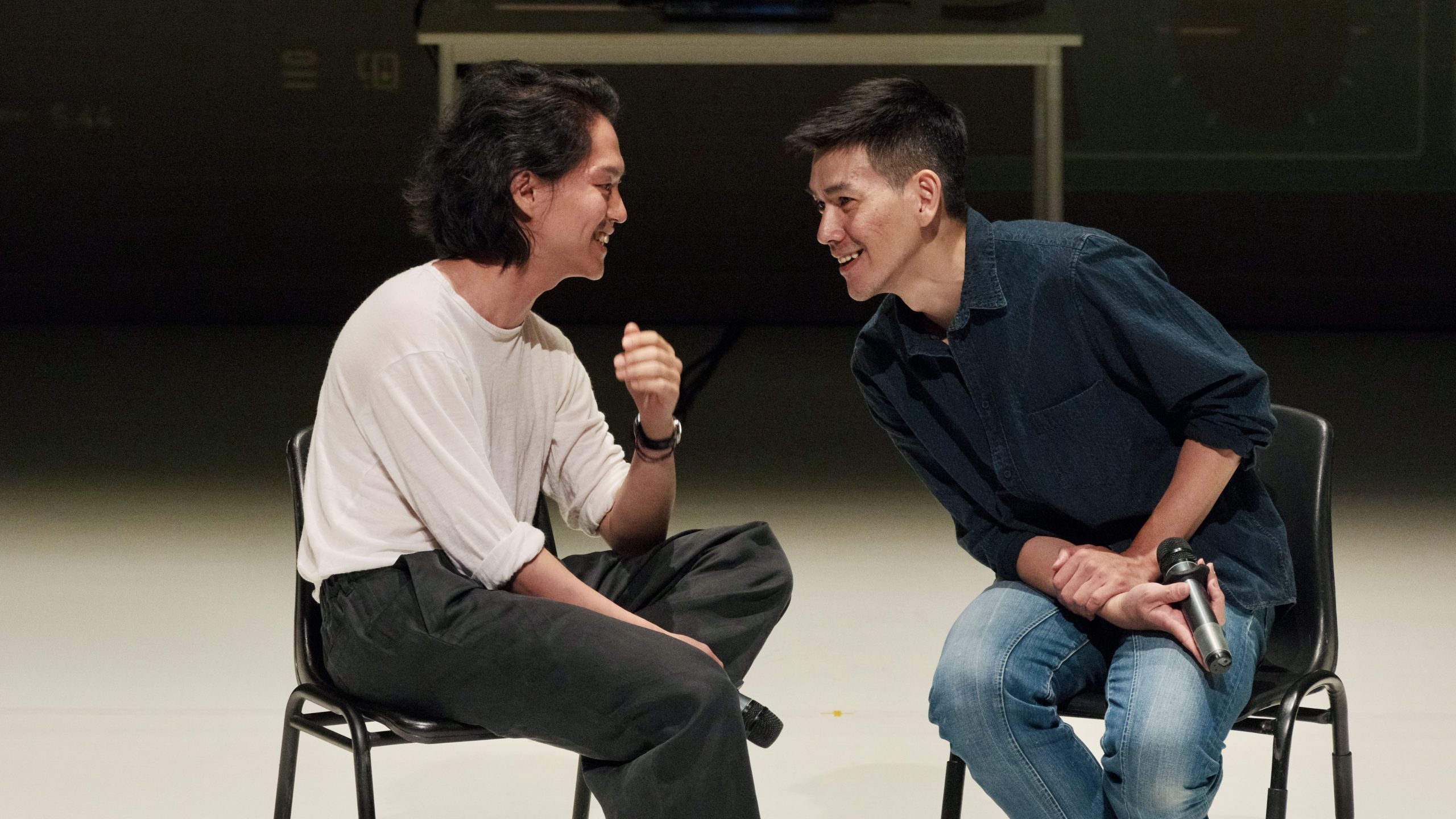
What defines a border? Would it be, skin, language, habits or behaviour? We long to be connected yet separated by politics. Politics of communications, of conversations and of emotions. In this hour of theatre, I have invited a Taiwanese choreographer, dancer Chou Shuyi to come explore what it is to dance around the line, a pale line of what we see as border. Through the silence of voices and noise, we’ll experiment our desire to setting up/ breaking a border in a physical space.
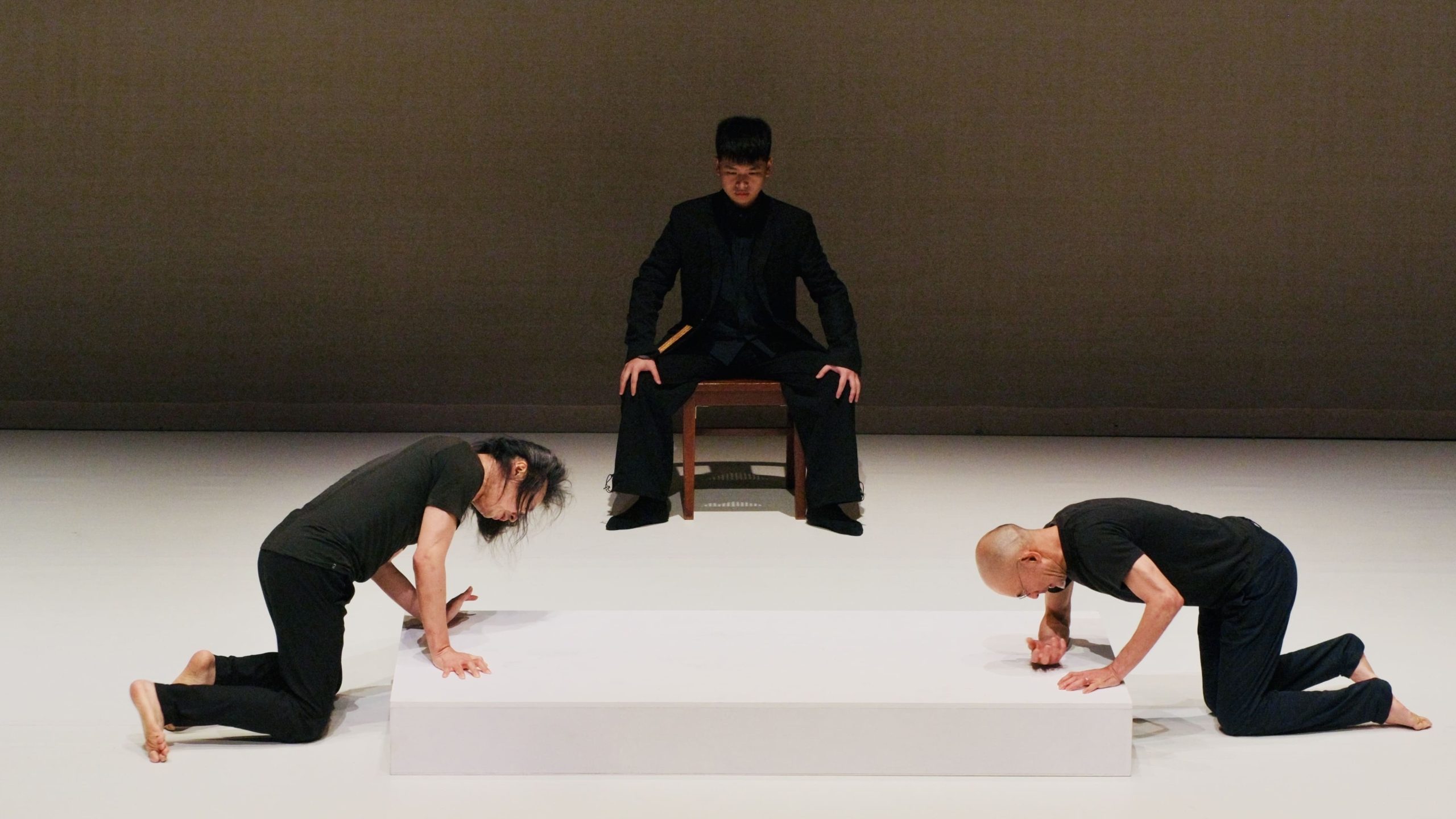
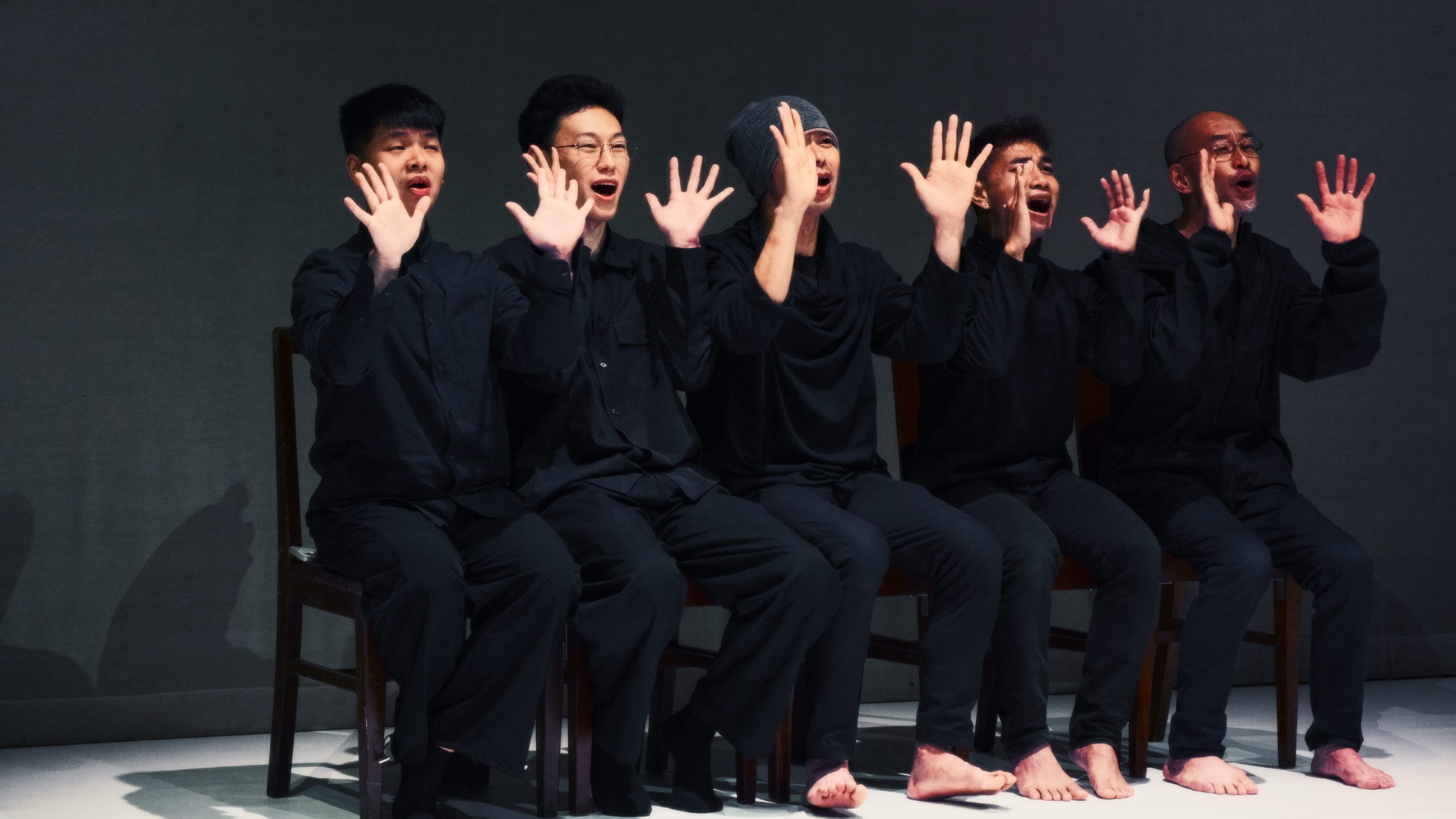
Director: LIU Xiaoyi (Singapore / Cross-cultural Theatre Director)
Collaboration:
– Park Hobin (Seoul / Contemporary Dancer-Choreographer)
– Rady Nget (Phnom Penh / Cambodian Traditional Dance Choreographer & Performer)
– Makoto Matsushima (Tokyo / Dancer-Choreographer)
– Yang Junfeng (Chongqing / Sichuan Opera Actor)
– Ren Jiale (Beijing / Peking Opera Actor)
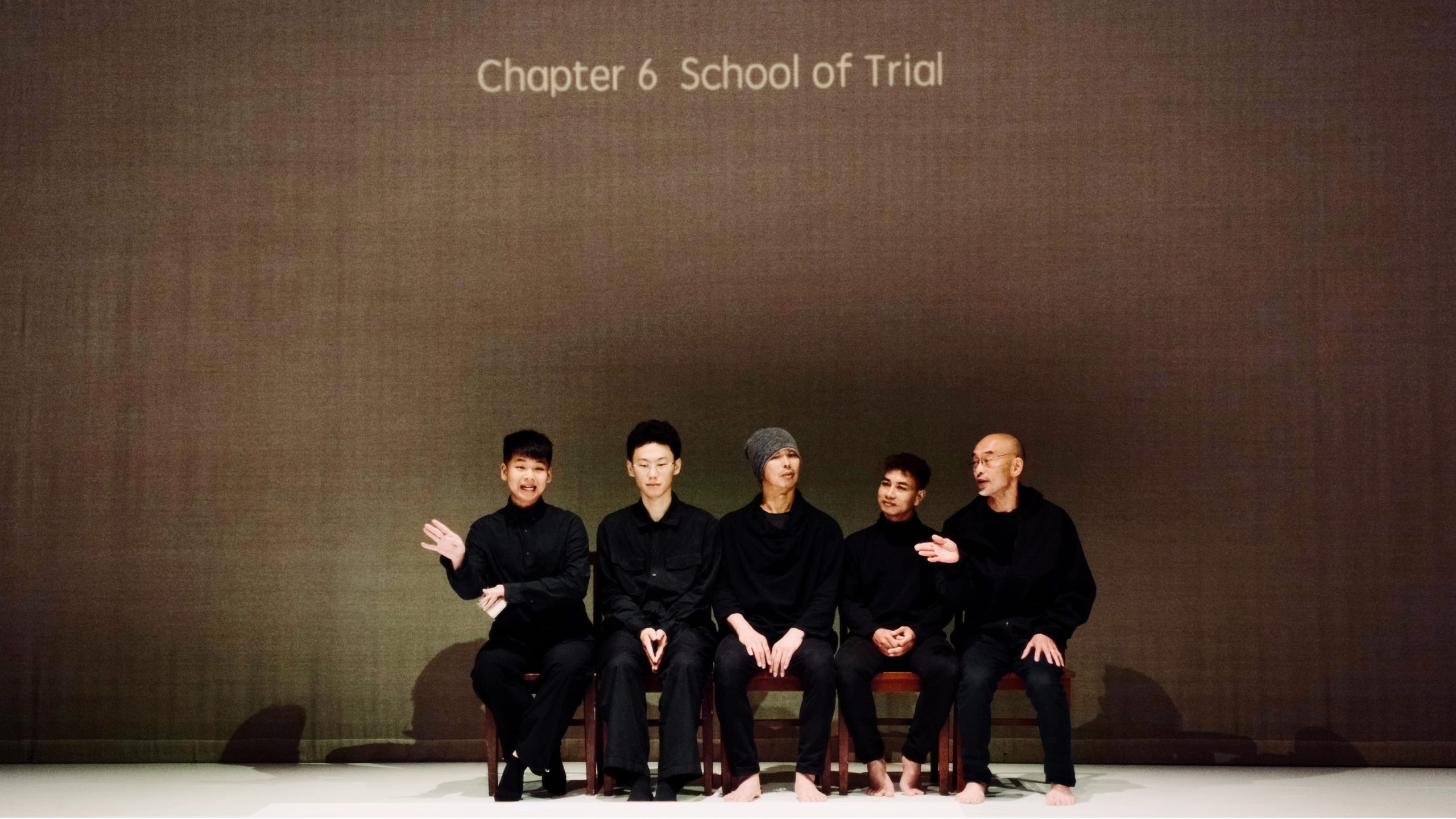
School of Thought 2026 is an inquiry by Liu Xiaoyi into the institution of the arts academy. For over two decades, Liu has operated at the intersections of arts education, intercultural dialogue, and independent artistic practice. Spanning theater making, forums, research, educational platforms, and regional collaborations, he continuously interrogates: How exactly does education shape creativity? And how is creativity molded amidst institutions, history, and reality?
Today, with travel and social media becoming so ubiquitous, it is easy for people to access works from all over the world—whether on YouTube or through institutional and commercial platforms. Against this backdrop, arts festivals have gradually turned into an industry, a cultural landscape to be consumed, and have undergone “festivalisation” to become tools for city branding. Thus, Meeting of Gods Festival 2026 hopes to return to the original questions of a festival: What, after all, is an arts festival for? And whom is it for?
For this reason, none of the seven performances in this festival are ticketed for sale; they are available by reservation only. Through this arrangement, we hope to rethink the increasingly commercialized festival models and performance environments of our time. We also hope that the audience’s presence is not merely for “viewing,” but constitutes a moment of shared co-presence.
Deposit: Free admission, a deposit of HKD $200 is required upon reservation.
Attendance Refund: For those who attend the performance on time, the refund will be processed within 30 working days afterwards.
After deducting a HKD $15 ticketing system administration fee, the actual amount refunded will be HKD $185.
Absence Policy: If one fails to attend, the HKD $200 deposit will be forfeited in full and will not be refunded.
Every time you show up, you become a part of the live experience!
There will be no intermission for this programme.
Children under the age of 6 will not be admitted.
Latecomers will only be admitted at a suitable break in the performance.
Zuni Icosahedron reserves the right to make final decisions regarding changes to the programme content, performers, and seating arrangements.

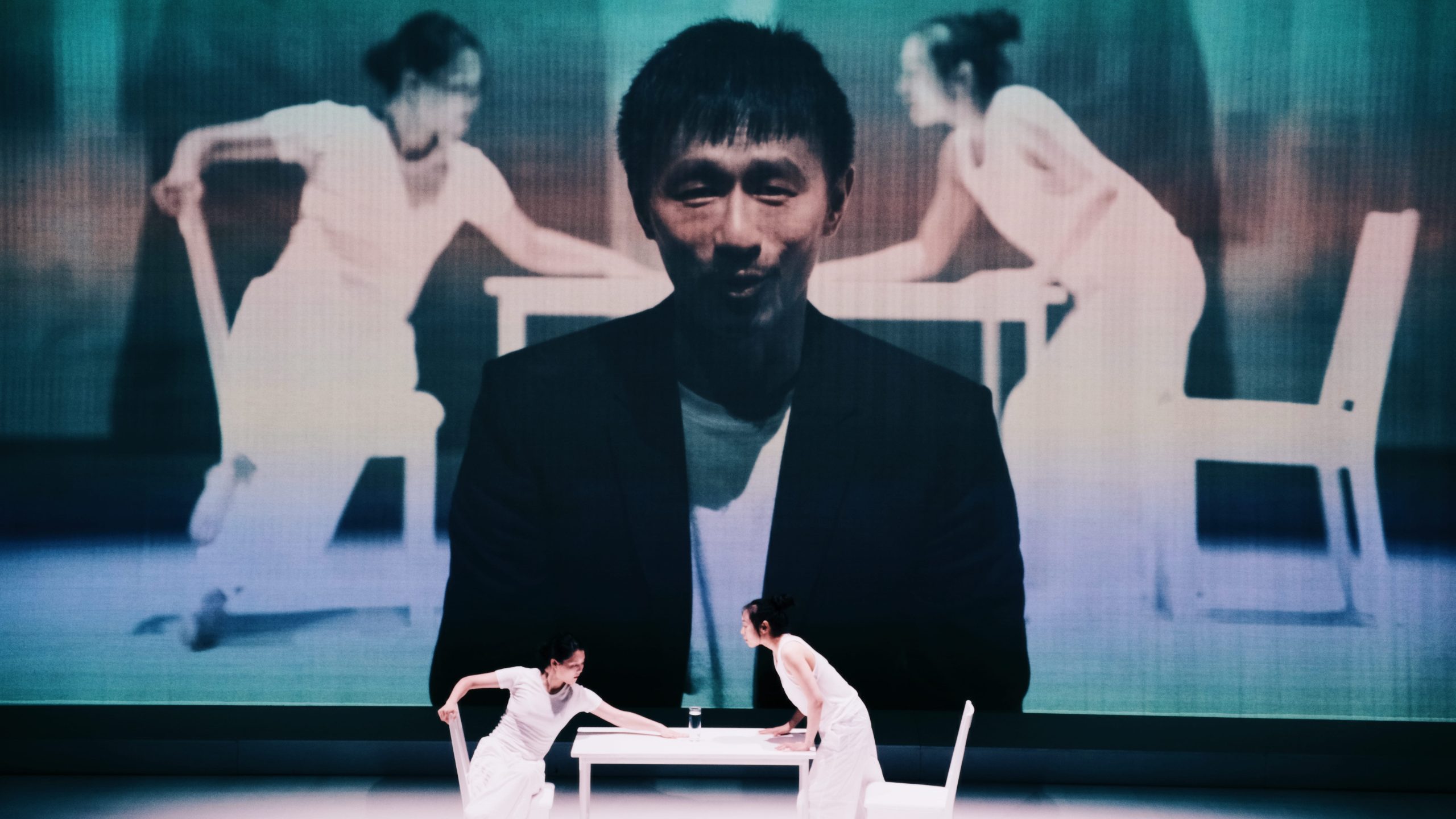
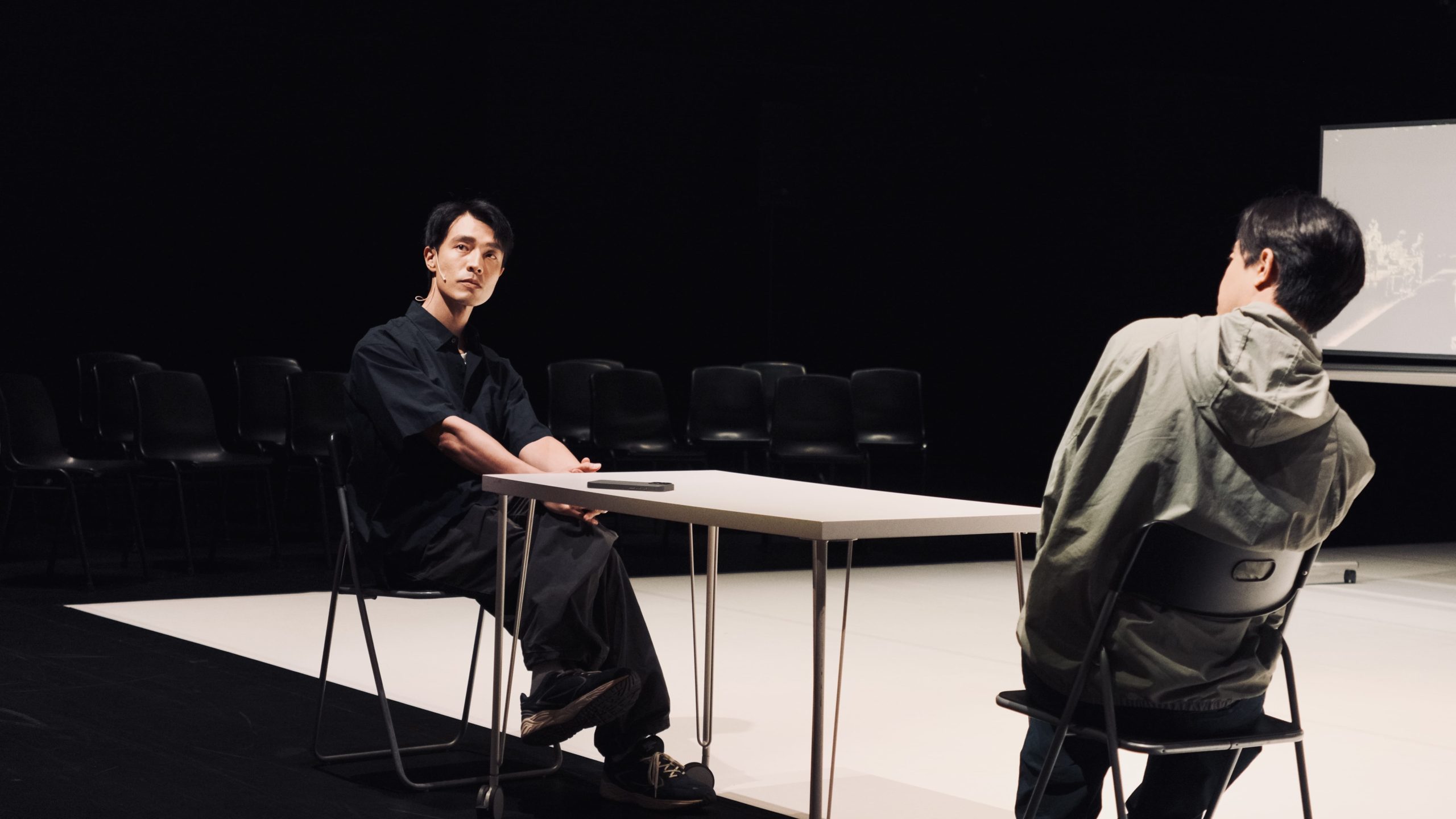
During the festival, from 5 to 8 July 2026, five “One Table Two Chairs” forums will be held at the Studio Theatre of the HKICC Lee Shau Kee School of Creativity. Hosted by Singaporean intercultural theatre director Liu Xiaoyi and curated by architecture and culture scholar Melody Yiu, the forums bring together artists and participants from diverse fields to explore intercultural issues relating to arts festivals, arts education, cultural institutions, and arts practice.
01 | Arts Festivals -How do experiments in the forms and content of culturalexchange inspire future arts festivals?
02 | Creative Education – How can reforms and innovations in educational institutions cultivate independent and forward-looking values?
03 | Cultural Insitutions – How do cultural institutions recognize and challenge conservative tendencies within their own organizational culture?
04 | Arts in Practice – How do arts practitioners respond to external forces of politics, economics, society, and technology?


