
Thank you for watching Edward Lam’s 14 Variations on the Theme of Yi Yi (Excerpt)! Your feedback matters to us, and we invite you to complete our online survey after the performance

Another five years have passed.
Over the past five years, we have met in one place after another. Yet six years ago, this was still a big question mark: what kind of changes would the standstill of the world bring to the history we had already lived through?
For a period of time, every today was simply today. At that time, the two elements of “theatre” were completely cancelled: time had no limits, space had no limits, because “enclosure symbolised danger”; likewise, “contagion had to remain abstract.”
In a certain sense, it was a time when thought was brought to its “greatest freedom”: the exploration of what was “unknown” outweighed the pursuit of the “future.” There was an eagerness to begin again from zero.
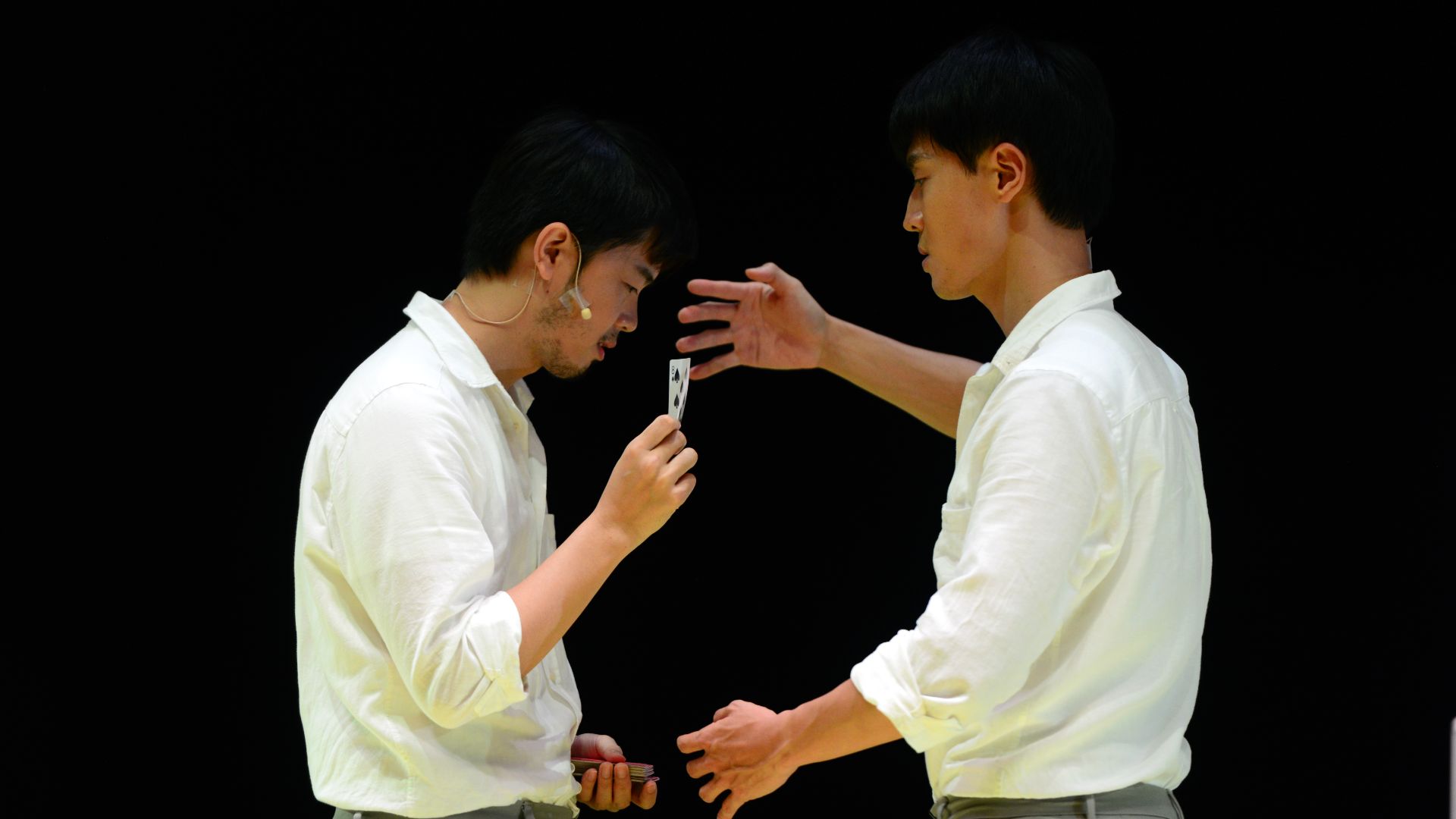
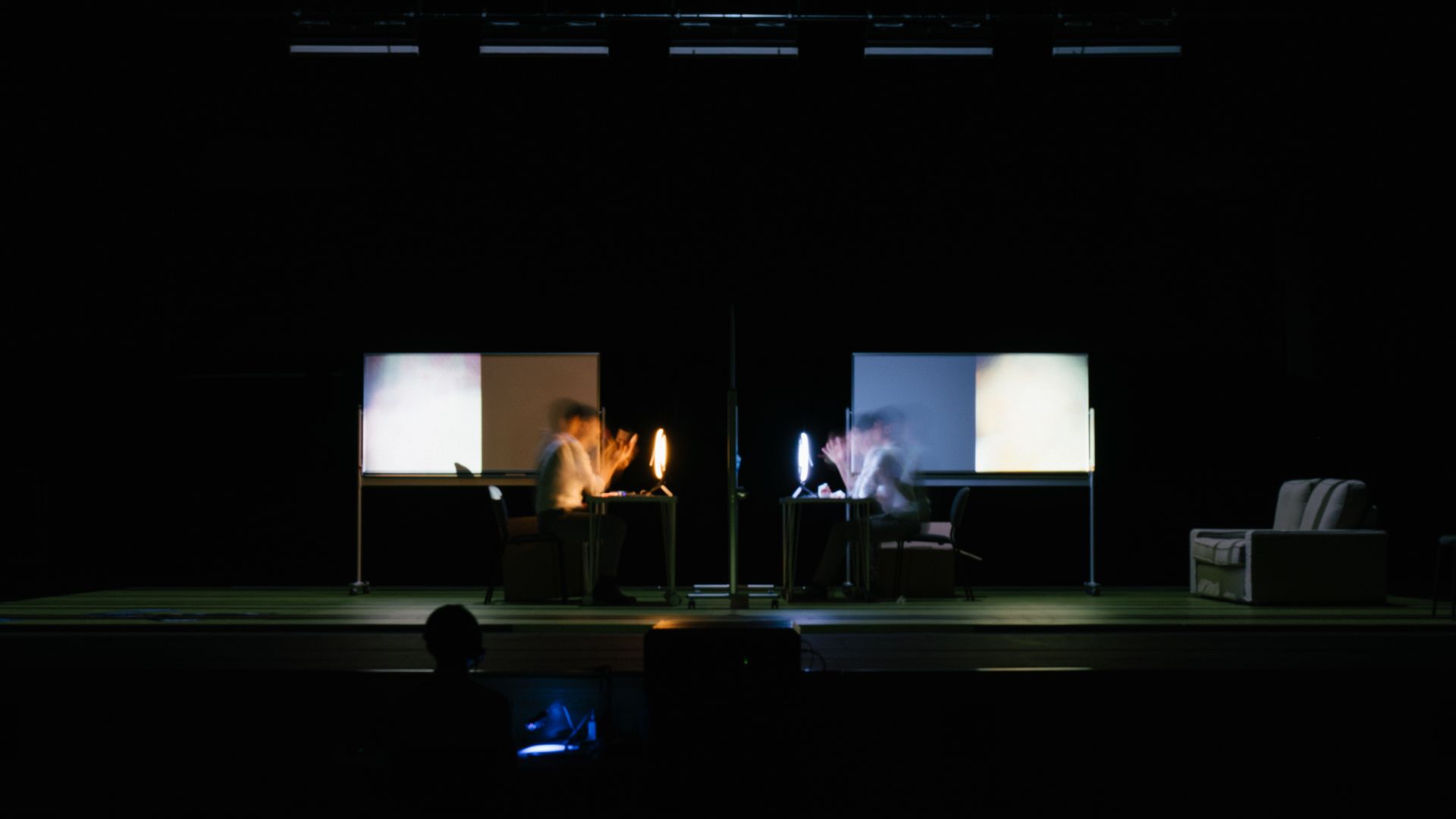
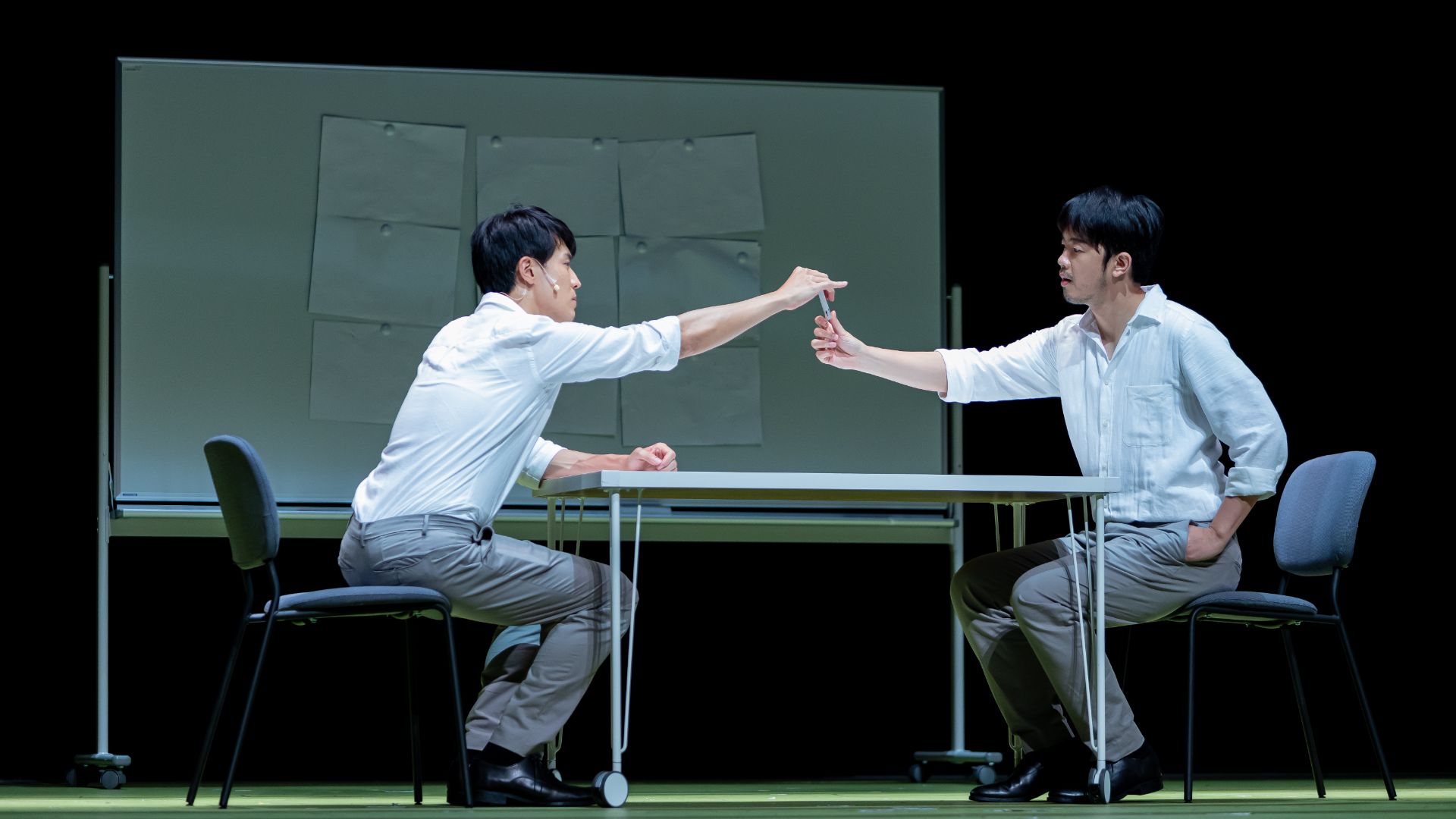
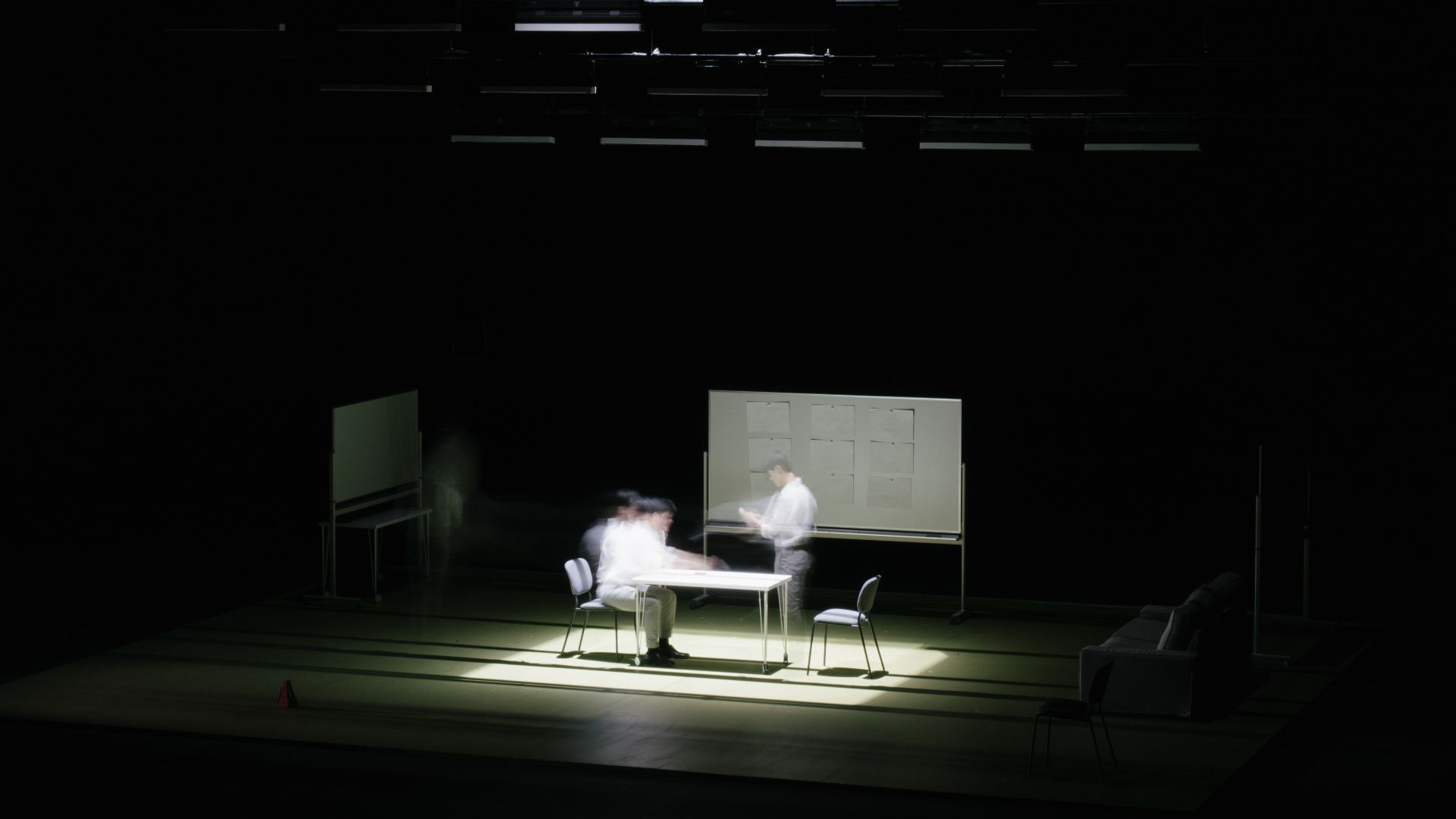
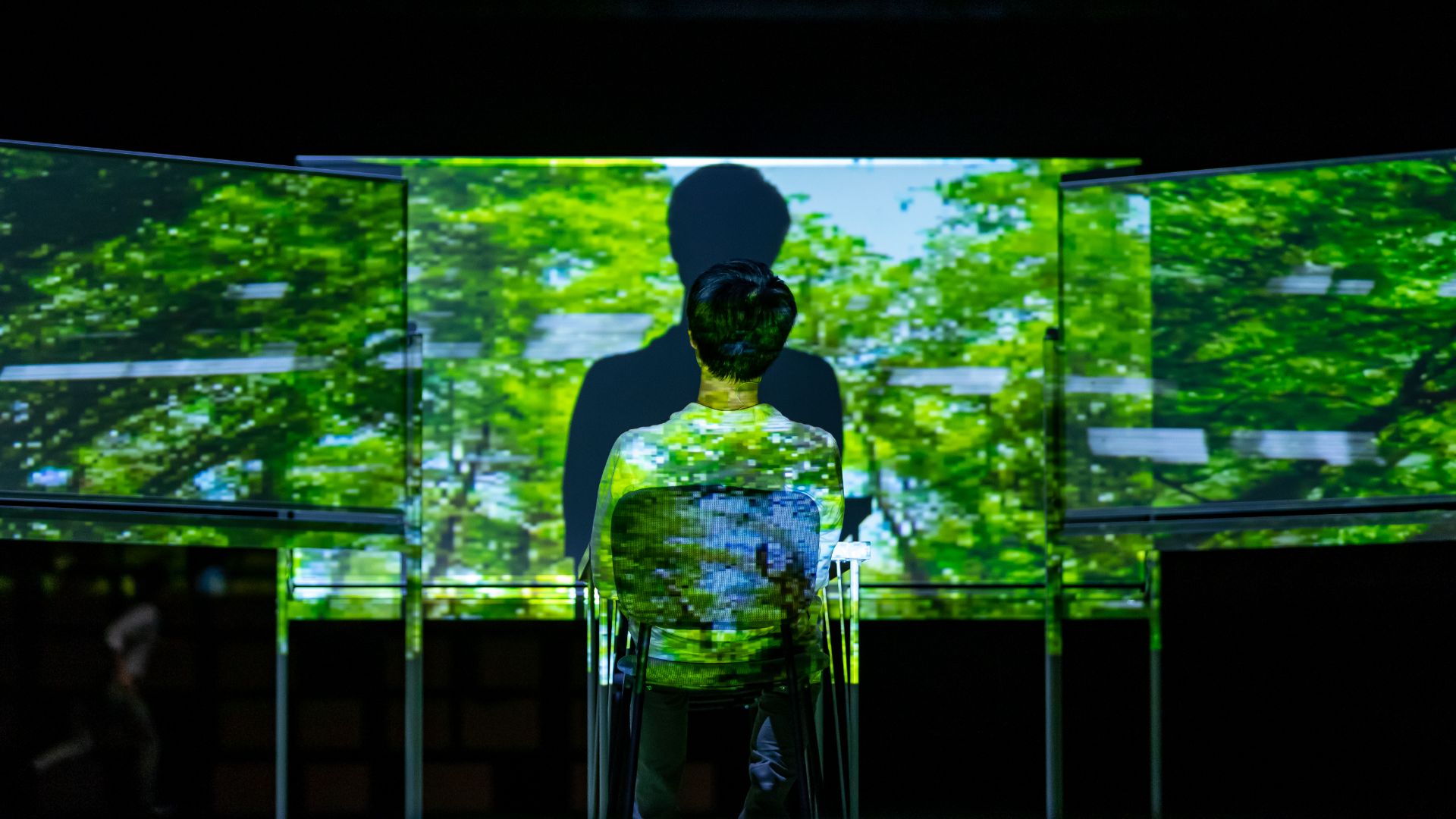
It was under this atmosphere that I asked Hung-Yuan and Ren-Jie whether they would come from Taipei to Hong Kong to participate in the creation of 14 Variations on the Theme of Yi Yi — the musical adapted from Director Edward Yang’s final masterpiece Yi Yi, released in 2000, which was originally performed by nine actors. It had originally been scheduled to premiere in December 2020, but every assumption became a variation of the unknown: from the changes experienced by one family to those experienced across the globe, even the process of the two actors agreeing to come to Hong Kong to create together involved flights with only a handful of passengers, airports with almost no travellers, two weeks of quarantine, and a month of rehearsals during which their bodies could not afford to go wrong.
Then, after one month of creation, we first recorded a filmed version in the rehearsal room, in case an unexpected lockdown should occur during the premiere in May.
Unexpectedly, this was how 14 Variations on the Theme of Yi Yi broke through the first lockdown. 14 Lullabies for Ting Ting encountered the second lockdown. By the time NJ’s Journey to Atami in the making, with Hung-Yuan, Ren-Jie and Jozie Lu, set foot in Atami and Tokyo, as seen in Yi Yi, it represented the reopening of the world, and also symbolised that the boundaries between people could, in contrast to “impermanence,” return to a “normal mode.”
The masks came off. Meeting each other was no longer a problem. Yet the after-effects of the three years from 2020 to 2022 have also become visible in the reality of how time itself has been changed: “impermanence” shattered expectations, and what can be grasped can only be this moment, and then this moment again. Seeing is believing, as a basis for cognition and understanding, seems to me to resonate unexpectedly with Yi Yi, made twenty-six years ago:
“Dad, what you see, I can’t see. What I see, you can’t see. How do I know what you’re looking at? Dad, can it be that we can only know half of everything? We can only see what’s in front of us, not what’s behind us. Doesn’t that mean there’s always half of everything that we can’t see?”
When the eight-year-old Yang-Yang in the film speaks of “the front” and “the back,” if we place these words in the present, are they in fact describing the relationship between human beings and time?
Time, it turns out, is essentially “theatre.” That is why Yi Yi, twenty years later, has been transformed in my creative journey into the “present” and the “future.” It is the work of the “Great Deity of Time,” and also a “gathering” that summons tens of thousands of moments to form one facet after another. The click that sounds in a split second like lightning and flint is the very sound I long for, the “Meeting of Gods” that I wish to build:
A community in which hearts understand, and spirits meet.
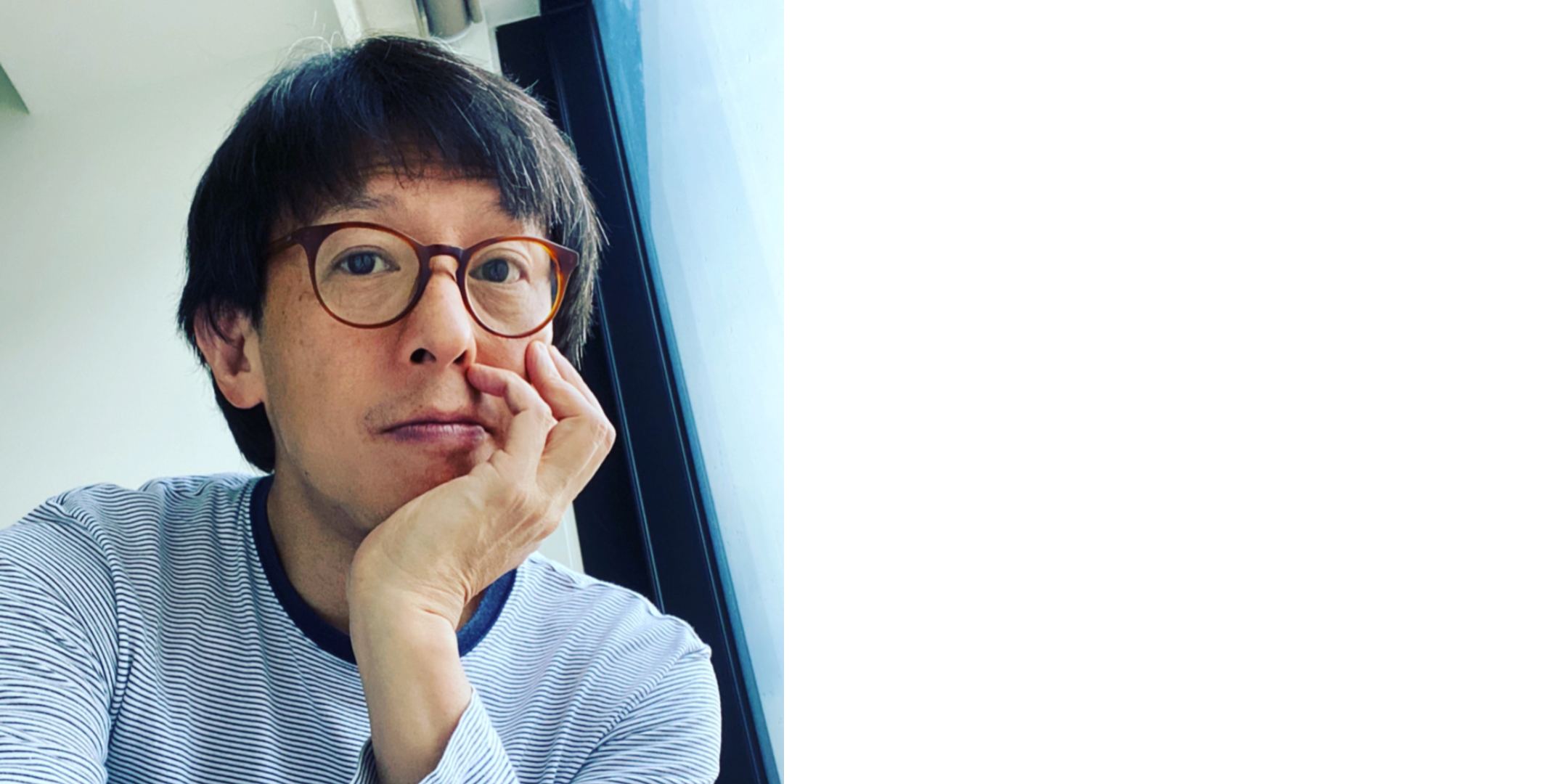
Edward Lam, a founding member of Zuni Icosahedron and then established Edward Lam Dance Theatre, where he serves as the artistic director, during his residence in London (1989-1995).
Since returning to Hong Kong in 1995, he devoted himself to theatre and directed 75 original productions. Lam was awarded Best Director at Shanghai Theatre Festival. Modern Drama Valley’s One Drama Awards on several occasions, including Men and Women, War and Peace (2010), The Doppelgänger (2012), and What is Sex? (2017).
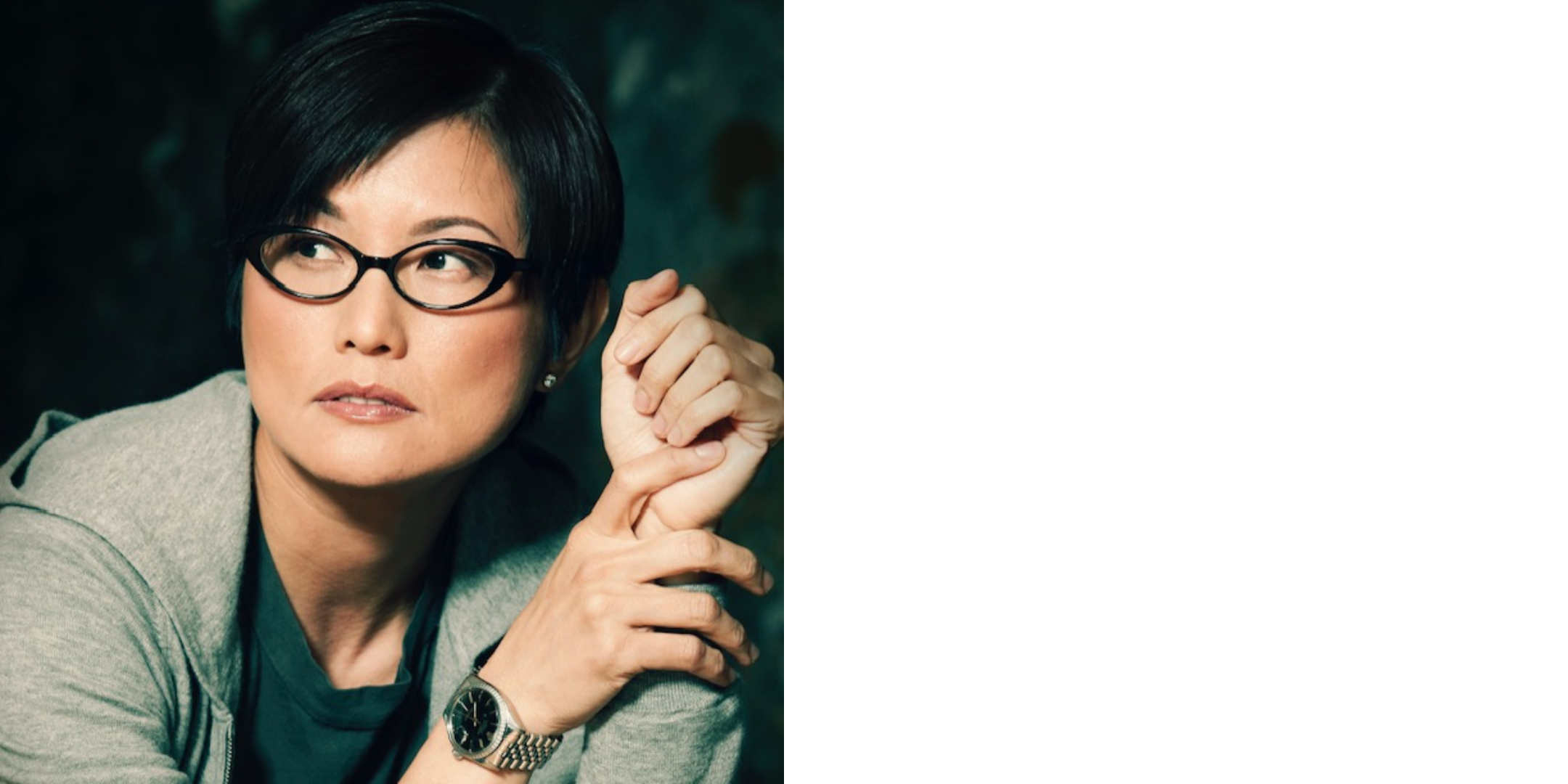
Master of Music in Piano Performance from the New England Conservatory in the United States.
A renowned Taiwanese musician, writer on fashion and cultural observation, as well as a film composer and art director. Formerly taught at the Department of Music of Fu Jen Catholic University, and contributed personal culture and lifestyle columns to 《Elle》 and 《Surface》 magazines. Also hosted the weekly cultural interview radio programme “Taipei Deep Breathing” on Taipei Broadcasting Station.
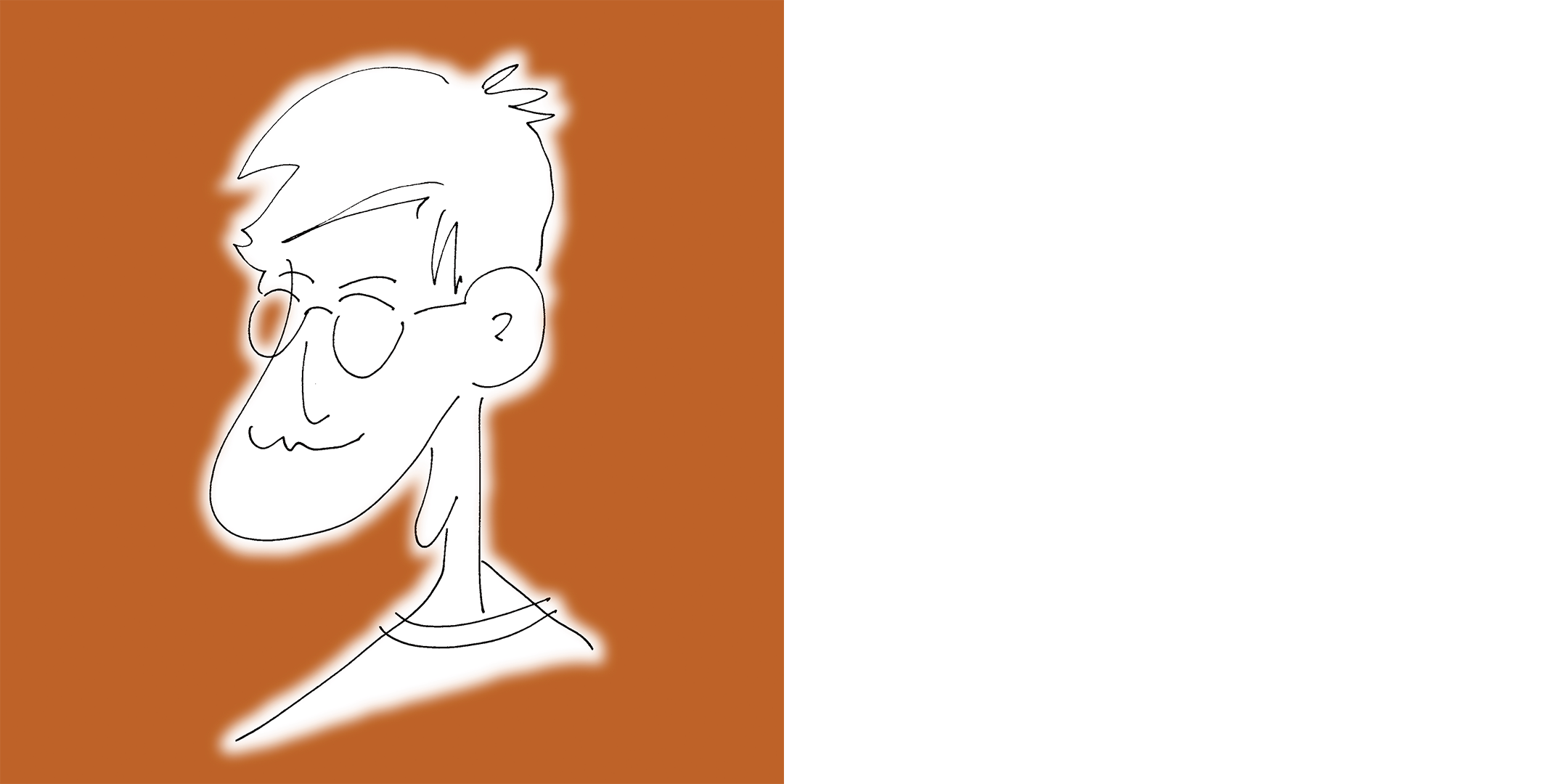
Born, raised and currently living in Hong Kong. Had been studying Journalism, Film & TV. Ho mainly engages in theater works, has a long term collaboration with Edward Lam Dance Theatre.
Ho focuses on video creations; interests in the playfulness between image and sound, language, space. The recently participated theatrical works including “Art School Musical 2025”, “Constellations” (Taichung, Hong Kong, Shanghai).

He is a cross-disciplinary visual creator, director, and still photographer whose work seamlessly navigates between theatrical spaces and film sets. He excels at using experimental visual languages to expand narrative dimensions.
Since 2018, he has formed a long-term collaboration with director Edward Lam, contributing to major theatrical works such as The A One and A Two Trilogy, #Girls and Boys, and Hello, Baoyu.
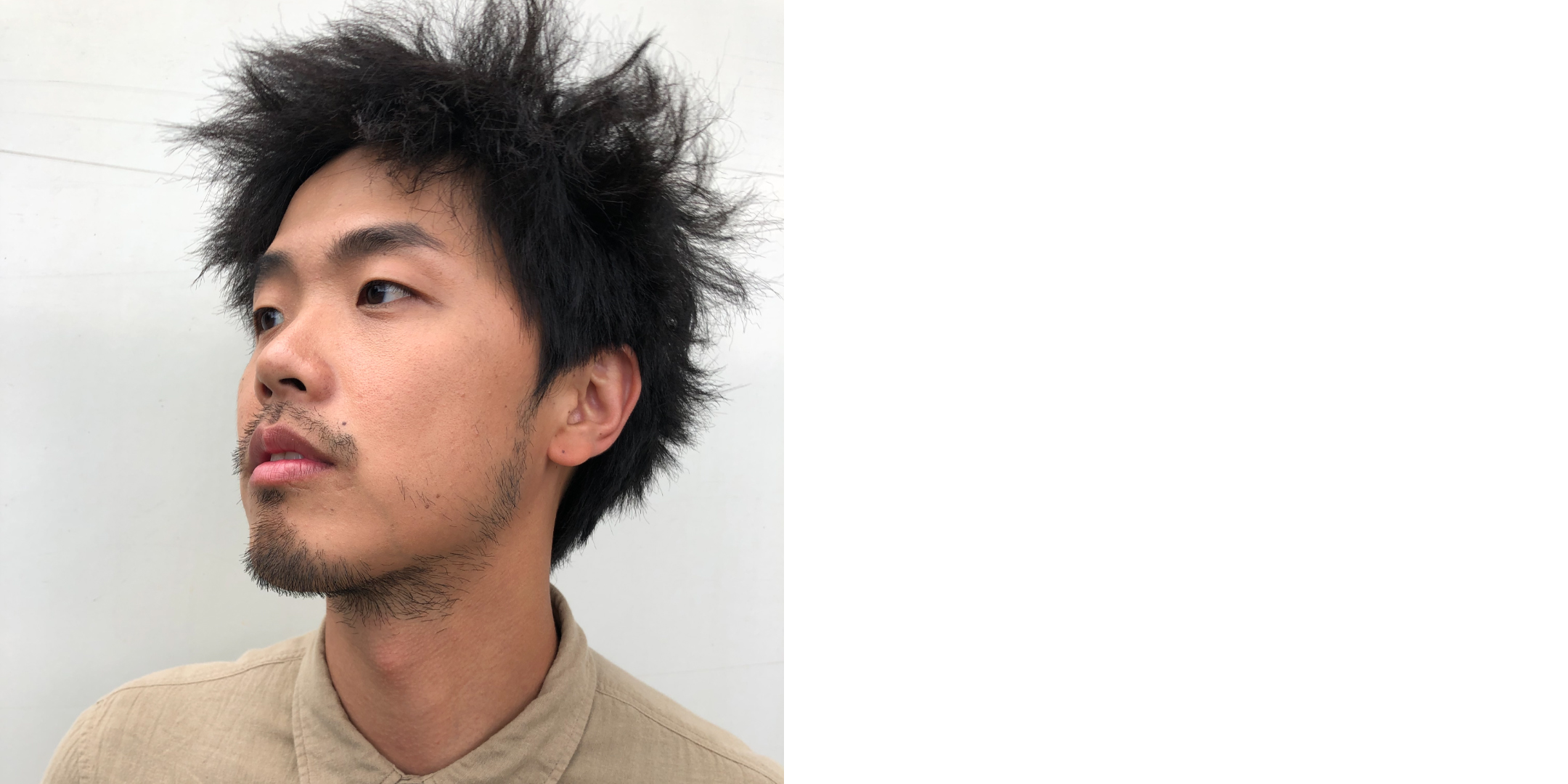
Graduated from the Department of Drama at National Taiwan University, Wang Hung-yuan is an actor, and a director occasionally.
Recent collaborations include performances in Edward Lam Dance Theatre’s productions: Art School Musical 2025, The Visit: Art School Musical 2.0, Yi Yi Trilogy, Art School Musical, Why We Chat?, I Hate Therefore I marry, What Is Sex?, This Is Not A Pipe and I Am Not Sherlock Holmes, and Finding Loveless Land. Other collaborations include Tainaner Ensemble’s K24 and Life of Love.
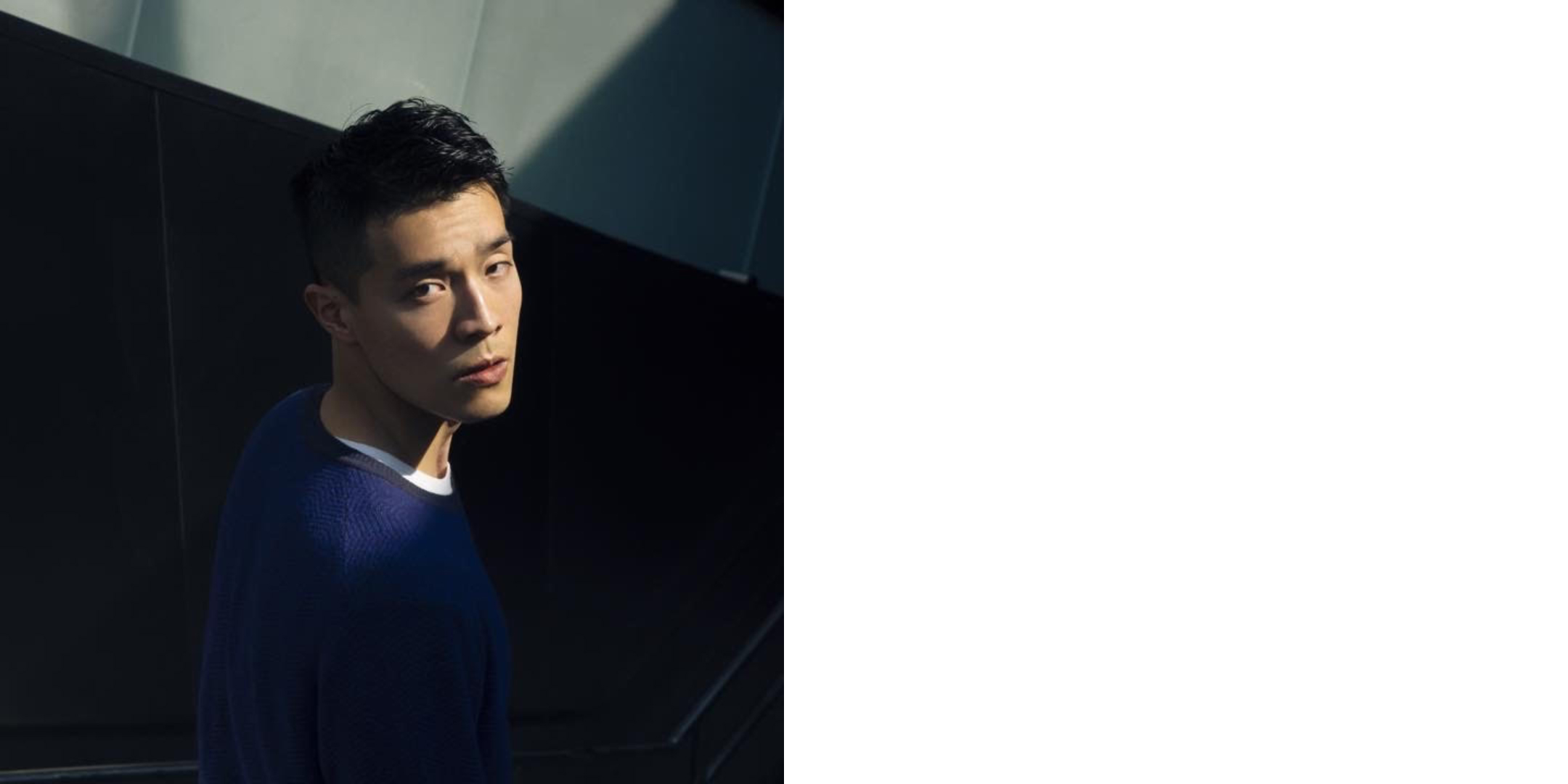
Graduated from the Department of Drama at Taiwan University of Arts, Huang Ren-jie has collaborated with theatre companies both domestically and internationally, touring in many cities across Asia. Beyond theatre, he has also participated in video shooting and voice acting, and have worked as a narrator for Mirror Voice.
He continues to explore different performance mediums, moving between them, searching for various possibilities of imagination. He also enjoys walking and discovering the unexpected in life, allowing himself s to slow down to miss less.
“Have you ever seen a ghost?” He only saw
shadows flitting outside the theatre.
“Do you believe in gods?” He refuses to believe that the stage is merely an illusion of the mystical. — Danny Yung, Co-Artistic Director of Zuni Icosahedron
If the theatre was once a sanctuary where humans, ghosts, and gods meet, what remains of it today?
For years, Danny Yung, Co-Artistic Director of Zuni Icosahedron, has persistently questioned: Where does theatre come from?
And what form could an arts festival take in the future?
In ancient times, the “stage” was originally a sacred ground for communication between humans, ghosts, and spirits. Rituals, as a form of collective action, carried humanity’s understanding of the universe and served as a response to the unknown and the perplexing.
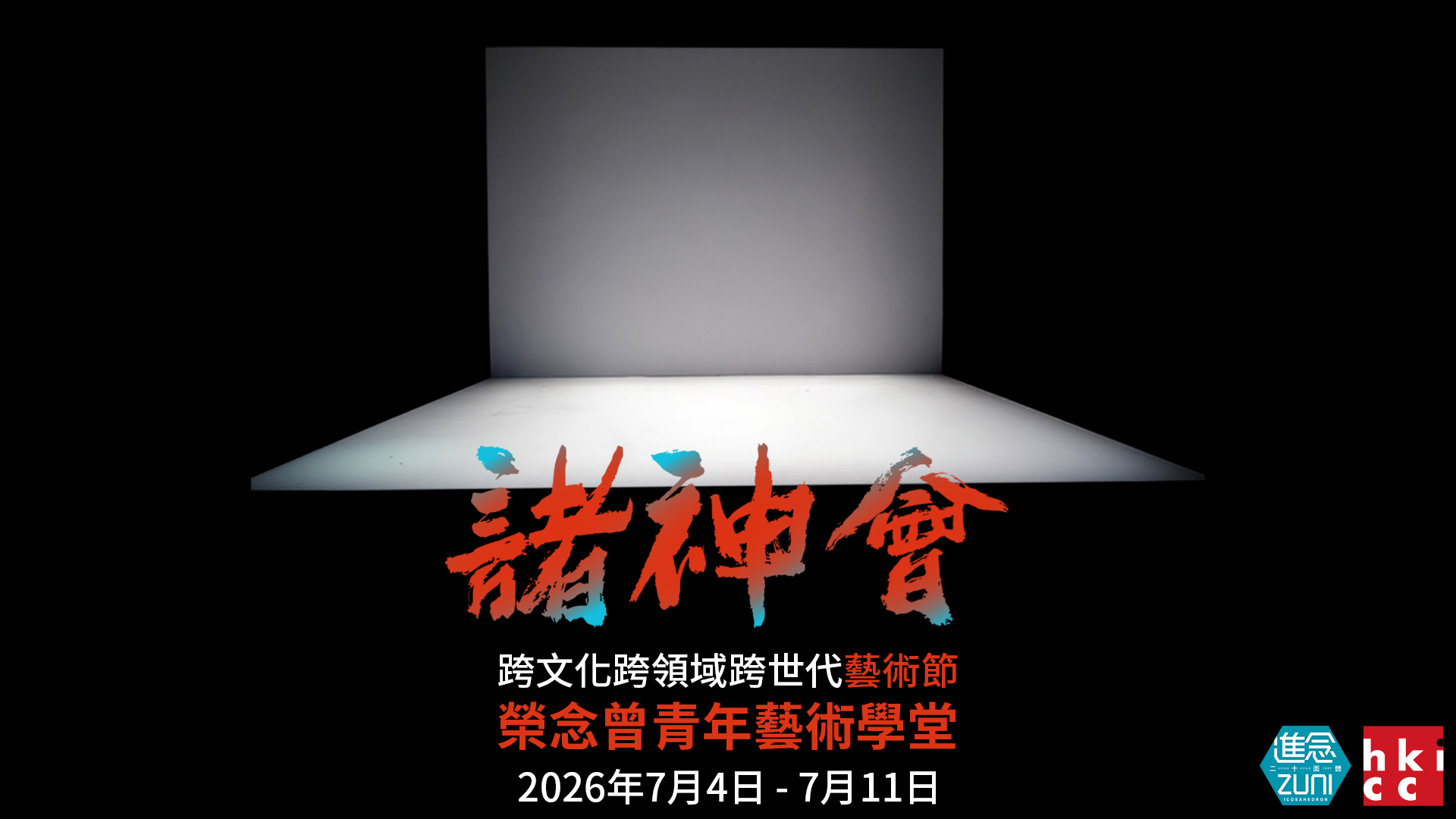
To celebrate the 30th anniversary of the the Hong Kong Institute of Contemporary Culture (HKICC) and the 20th anniversary of the HKICC Lee Shau Kee School of Creativity, Zuni Icosahedron and the Hong Kong Contemporary Cultural Centre jointly present the newly curated Meeting of Gods Festival & Danny Yung Young Artists Academy 2026.
Guided by the idea of “Meeting of Gods”, the Festival revisits and reflects upon the essence of theatre as both a public space and a spiritual arena, bringing together contemporary and traditional performing artists from across Asia.
We invite the audience to be present at the theatre together. Across seven performances, post-show talks, and dialogues, let us collectively perceive the theatre as a sacred place of present-moment gathering.
During the festival, from 5 to 9 July 2026, five “One Table Two Chairs” forums will be held at the Studio Theatre of the HKICC Lee Shau Kee School of Creativity. Hosted by Singaporean intercultural theatre director Liu Xiaoyi and curated by architecture and culture scholar Melody Yiu, the forums bring together artists and participants from diverse fields to explore intercultural issues relating to arts festivals, arts education, cultural institutions, and arts practice.

01 | Arts Festivals -How do experiments in the forms and content of culturalexchange inspire future arts festivals?
02 | Creative Education – How can reforms and innovations in educational institutions cultivate independent and forward-looking values?
03 | Cultural Insitutions – How do cultural institutions recognize and challenge conservative tendencies within their own organizational culture?
04 | Arts in Practice – How do arts practitioners respond to external forces of politics, economics, society, and technology?
05 | Prospective Seminar – Academy and Arts Festival / Reviews and Challenges
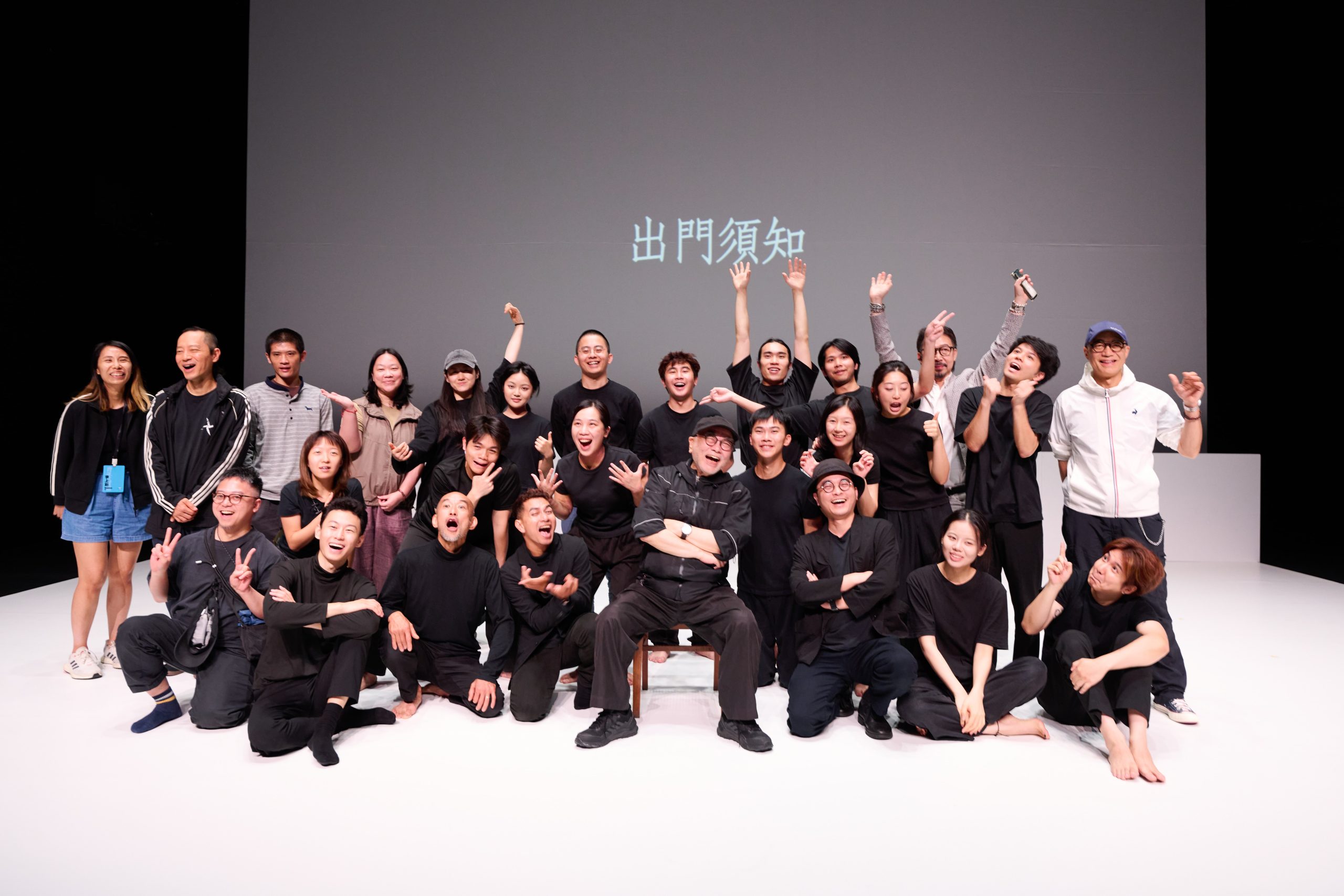
Danny Yung Young Artists Academy 2026 is the second edition this year developed from the 3-year collaboration between Nanyang Academy for Fine Arts, University of the Arts Singapore. 19 final year students of the BA (Hons) Contemporary Chinese Theatres program come to spend 2 weeks in this program curated by Danny Yung for training and exchanges.
Artistic Director, Chief Curator, Director: Danny Yung
International Exchange Director / Producer: Wong Yue Wai
Co-curator, Director, Course Instructor: Liu Xiaoyi
Music Director, Director, Course Instructor: Steve Hui (aka NERVE)
Director& Adaptation: Edward Lam
Chief Creative Advisor: Kaili Peng (Taiwan)
Co-creation& Video Design : Ho Ting Wai , Darwin Ng
Performers: Wang Hung-yuan (Taipei), Huang Ren-jie (Taipei)
Creation& Rehearsal Coordination: Lo Hei Yin, Chuk Ka Lok
Hair Design : Tin Ngai
Performance Coordination: Lai Siu Fai, Yan Shao Shun
Publicity: Hyman Hui
Video Documentation/Photography: Ray Leung、Thomson Ho、Wenginball
Adapted from Director Edward Yang’s Original Work “A one and a two”
Licensed by Kailidoscope Pictures Inc.
Artistic Director, Curator, Director: Danny Yung
Co-curator, Director, Course Instructor: Liu Xiaoyi
Cross-cultural Artists, Course Instructors:
Makoto Matsushima, Rady Nget, Park Hobin, Xiao Xiangping, Ren Jiale, Yang Junfeng, Steve Hui (Nerve)
Coordinators: Cindy Cheung, Chloe Li, Jane Cheuk, Martin Choy
Students (Nanyang Academy of Fine Arts | University of the Arts Singapore):
Chang Xiya, Chen Jing, Chua Yin Ling, He Xinyan, Huang Jinghan, Karen Lie Kai Ting, Li Kaiyang, Li Yiran, Lin Jing, Liu Yanqi, Ni Ke, Pan Huishan, Shen Yang, Wang Bo, Wang Juner, Wang Sining, Zhou Chenyi, Zhou Qianhui, Ma Xiaoyu
Young Artists (Hong Kong)
Yeung Sin Tung, Li Sixian, Chuk Ka Lok, Hu Jiashu, Mok Pui Yan, Hui Ka Ling, Wong Fai Ying, Vivian Lin, Curtis Si Tou, Grace Tam, Tang Pui Shan, Arwen Cheung, Zhao Zihui, Chloe (Observer)
Zuni Resident Stage Manager: Chan On Ki
Production Manager and Stage Manager: Leo Siu
Deputy Stage Manager: Carvid Ngai
Lighting Design and Operator: Cheng Lai Chiu
Sound Design and Operator: Fong King Lok
Video Operator: Ziv Chun, Yu Pui Ho
Stage Crew: Keung King Hang, Fung Kwan Tai
Light Crew: Lo Wing Yi, Mok Chi Yeung,
Sound Crew: Zeng Jiaxin
Advisor: Poon Tat Pui
Filming and Editing: Leung Minami Hoi Lam, Hung Ka Hei, Yip Chun Ting, Leung Tsz Ki, So Wing Shun, Yuen Ka Nok
Assistant Artistic Director: Cedric Chan
General Manager (Administration and Finance): Jacky Chan
General Manager (Programme): Doris Kan
Senior Manager (Programme): Bowie Chow
Senior Manager (Production and Technical): Gavin Chow
Administration Manager: Colin Cheng
Stage Manager: Chan On Ki
Marketing and Outreach Manager: Niki Luk
PR & Publicity: Luka Wong
Ticketing & Digital Marketing: HO Yin Hei
Programme Assistant: Yumi Hui
Graphic Design & Video (Promotion): Ricky Cheng
Graphic Design (Display Board): Coco Cheung
Video (Promotion): Vanilla Guo
Photographer (Documentation): Tree Lo
Yun Yuan
Edward Lam Dance Theatre