
Thank you for watching LIU Xiaoyi’s School of Thoughts 2026! Your feedback matters to us, and we invite you to complete our online survey after the performance

School of Thought 2026 is an inquiry by Liu Xiaoyi into the institution of the arts academy. For over two decades, Liu has operated at the intersections of arts education, intercultural dialogue, and independent artistic practice. Spanning theater making, forums, research, educational platforms, and regional collaborations, he continuously interrogates: How exactly does education shape creativity? And how is creativity molded amidst institutions, history, and reality?
3-.jpg)
-4.jpg)
-2.png)
1-.png)
For this iteration, Liu Xiaoyi has brought together five artists from Seoul, Phnom Penh, Tokyo, Beijing and Chongqing to engage in exchange and collision within the same shared space. Contemporary dance, traditional opera, somatic practice, sound, and heritage performance are no longer mere showcases of their respective cultures; instead, through the act of mutual observation, they re-interpret one another and re-examine themselves.
The theatre functions as a temporary academy: some question, some respond; some observe, some remain silent; some seek to understand, while others remain perplexed. Here, “learning” becomes a continuous process of dismantling and reorganizing one’s own lived experience.
School of Thought 2026 may offer no definitive conclusions. Instead, it attempts to preserve a space where one can still debate, doubt, and deliberate, while casting its gaze toward the future of Asian cultural exchange.
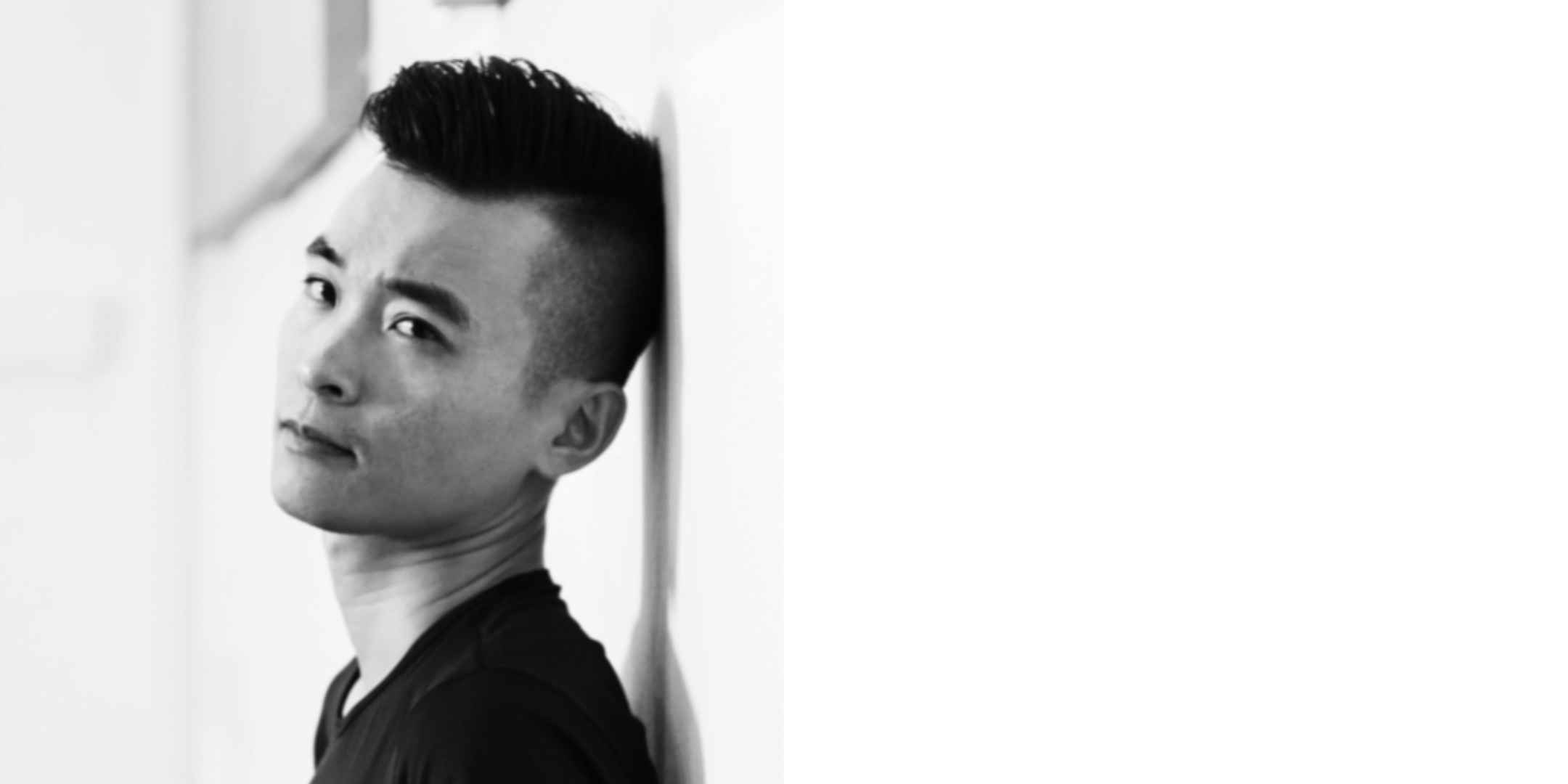
Liu Xiaoyi is an artist, curator, educator, and cultural strategist who currently serves as the Artistic Director of the Singaporean arts group “The Emergency Stairs”. He is widely recognized as one of the most representative and pivotal figures in the fields of contemporary experimental theatre and intercultural exchange in Asia.
For over two decades, he has continuously pushed the experimental boundaries of theatrical language. He is particularly adept at initiating deep collaborations within cross-cultural and cross-regional contexts.
Join in Pappa TARAHUMARA in 1983, in 2006 started solo works, and in 2008, 2010, 2018 being guest professor of the choreography department at Korea National University of the Arts. Matsushima graduated from the Nihon University of College of Art. He launched his stage career with the Japanese dance theatre company Pappa TARAHUMARA while he was still a student, and won critical acclaim both for his performance in television and on stage.
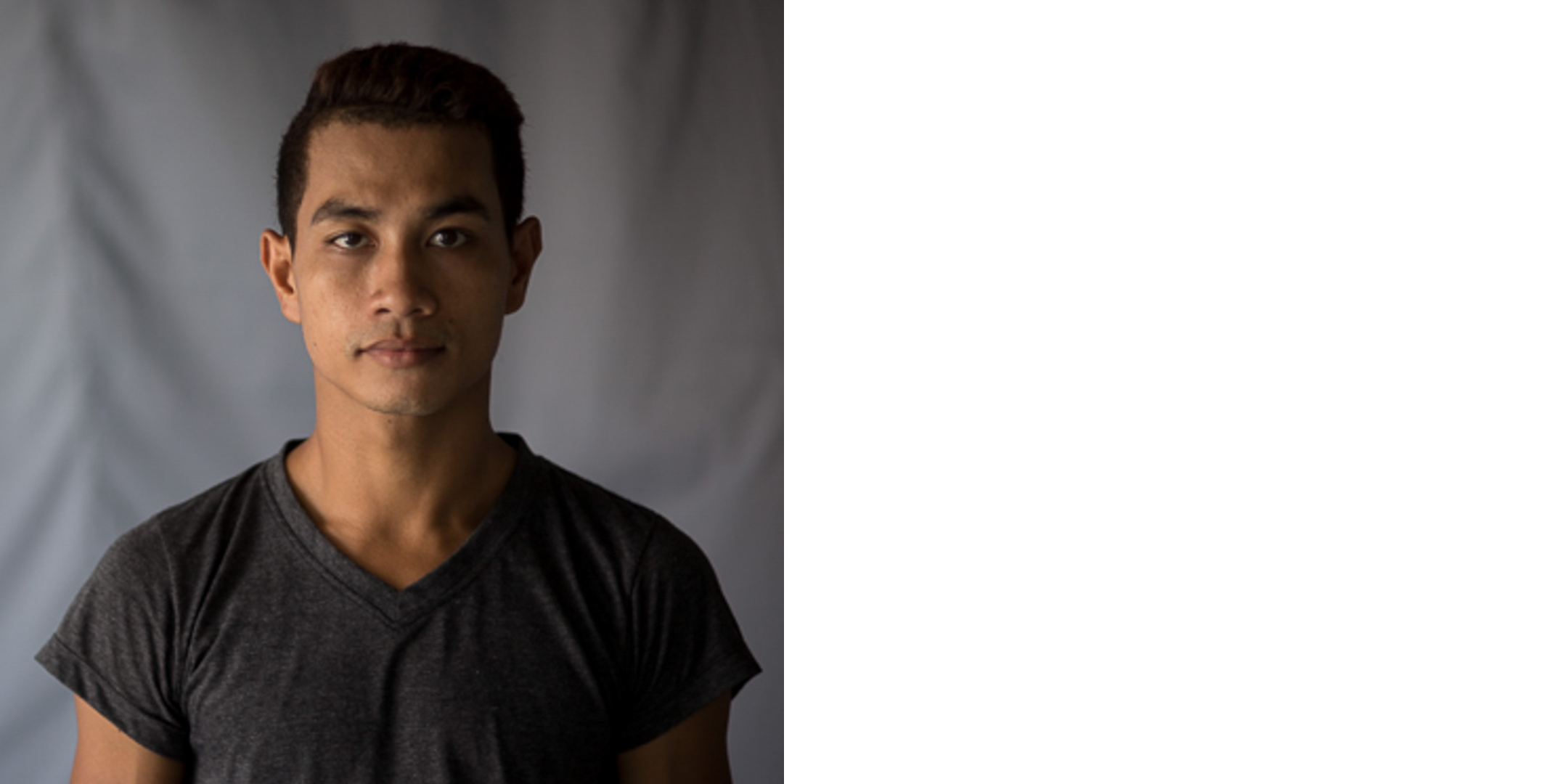
Rady began his dance training in 1999, specializing in the monkey role of Lakhaon Khol, the Cambodian classical male masked dance form. He graduated with a BA in Choreographic Arts from the Royal University of Fine Arts in Phnom Penh in August 2013. Rady danced with Sovanna Phum Arts Association, an independent dance and shadow puppetry theatre company, from 2006 to 2010 and with Amrita Performing Arts since 2010.
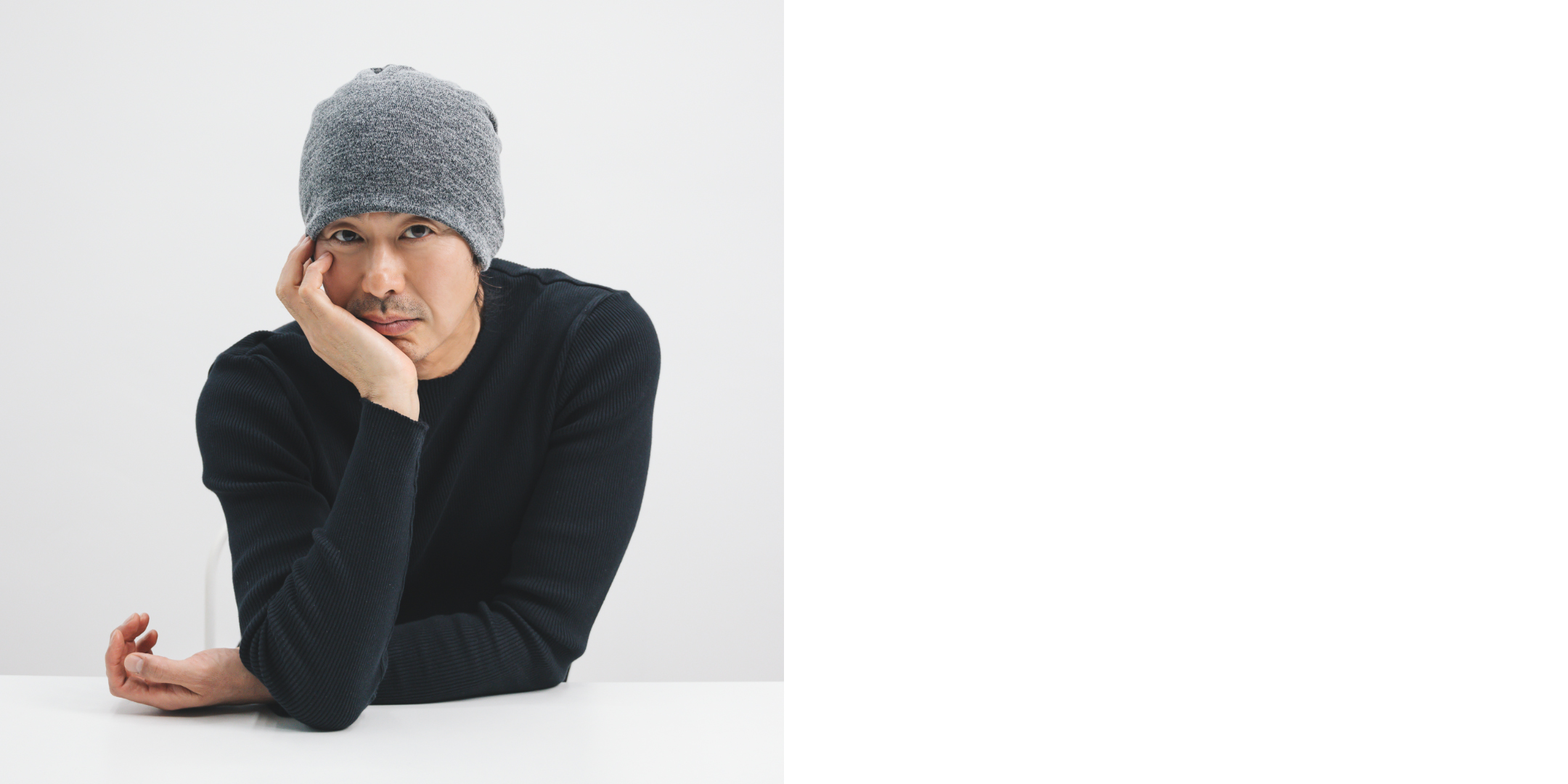
Park Hobin is CcadoO’s artistic director and choreographer. He uses the collage technique or the body as an object, as in total theatre. Regarded as one of the most promising of contemporary artistic directors on the international circuit and acclaimed as Dancer of Our Time at the Dance Biennale Tokyo 2004.
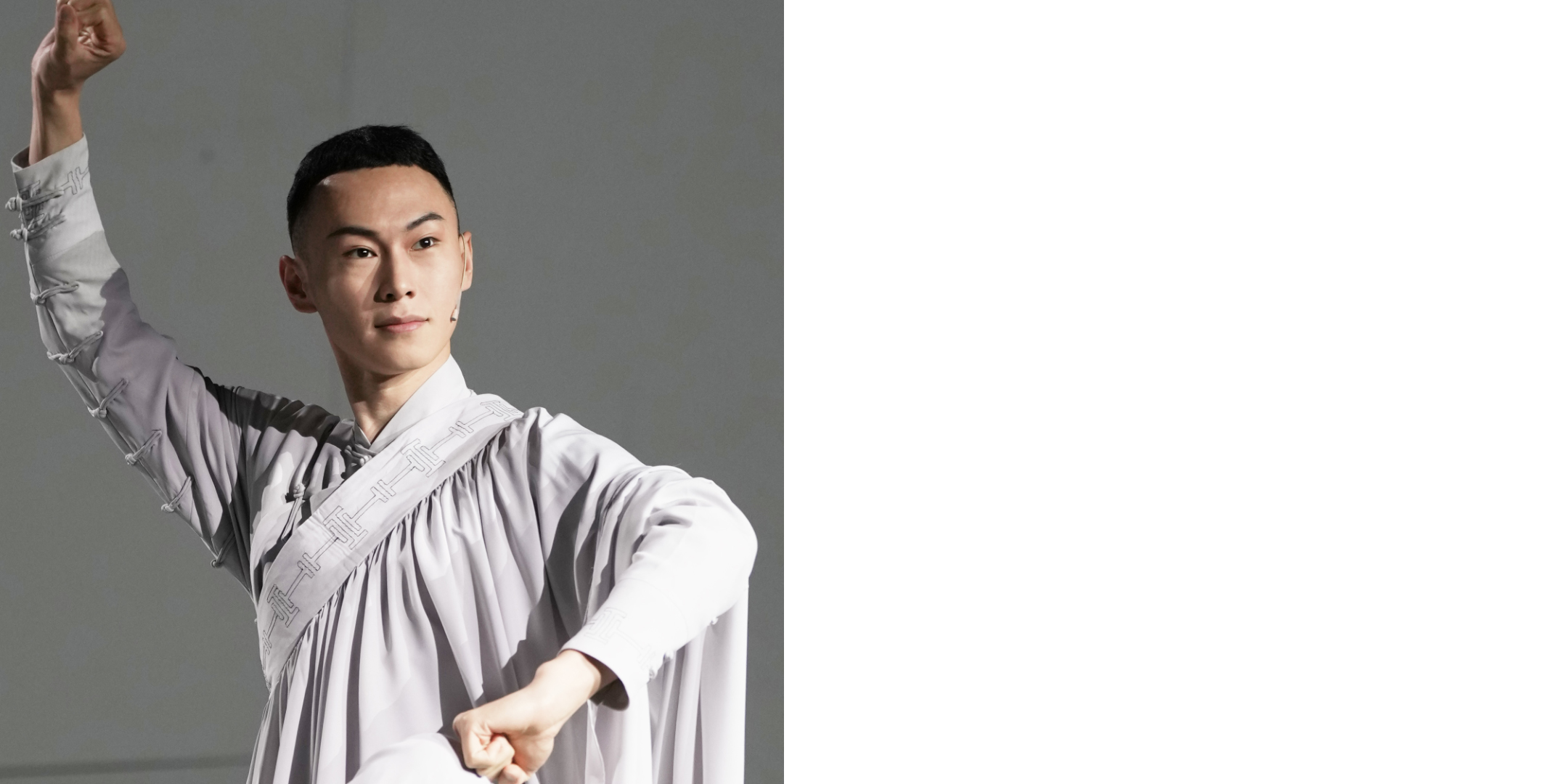
Gen Z Xiqu performer, majoring in Peking Opera at the National Academy of Chinese Theatre Arts, specialised in wusheng (martial) role. Currently enrolled in the Peking Opera Department at the National Academy of Chinese Theatre Arts, majoring in Peking Opera performance since 2019. In 2013, he began his studies at the secondary school affiliated with the National Academy of Chinese Theatre Arts.
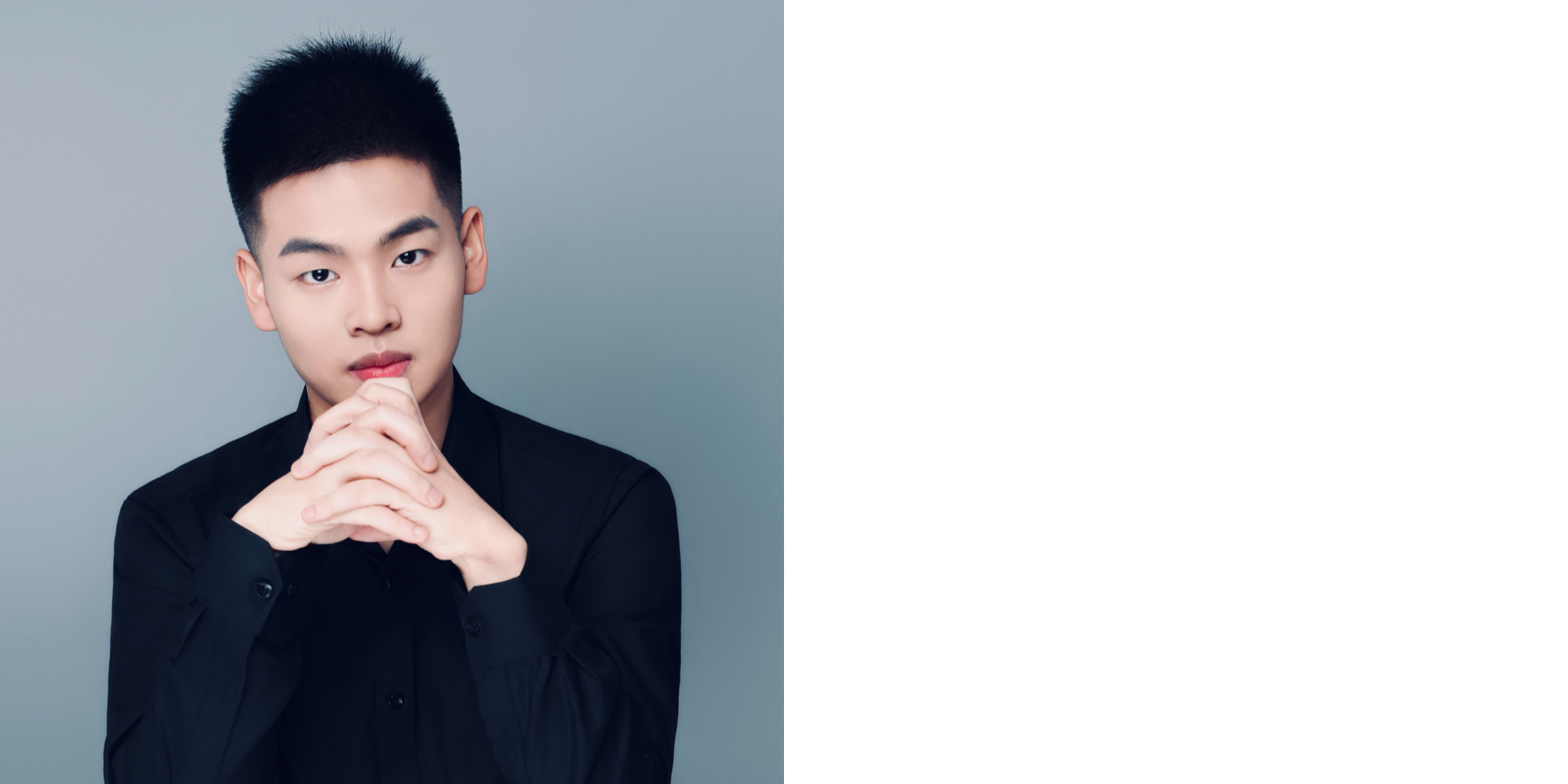
Yang Junfeng, from Chongqing, is one of the emerging performers of contemporary Sichuan opera. He first entered public view as a film and television actor, beginning his performing career in 2007 with the television drama The Fairy Couple (Tian Xian Pei), in which he played Liu Daxia. He later gradually turned towards xiqu and stage performance, entering the professional theatre troupe system.
“Have you ever seen a ghost?” He only saw
shadows flitting outside the theatre.
“Do you believe in gods?” He refuses to believe that the stage is merely an illusion of the mystical. — Danny Yung, Co-Artistic Director of Zuni Icosahedron
If the theatre was once a sanctuary where humans, ghosts, and gods meet, what remains of it today?
For years, Danny Yung, Co-Artistic Director of Zuni Icosahedron, has persistently questioned: Where does theatre come from?
And what form could an arts festival take in the future?
In ancient times, the “stage” was originally a sacred ground for communication between humans, ghosts, and spirits. Rituals, as a form of collective action, carried humanity’s understanding of the universe and served as a response to the unknown and the perplexing.
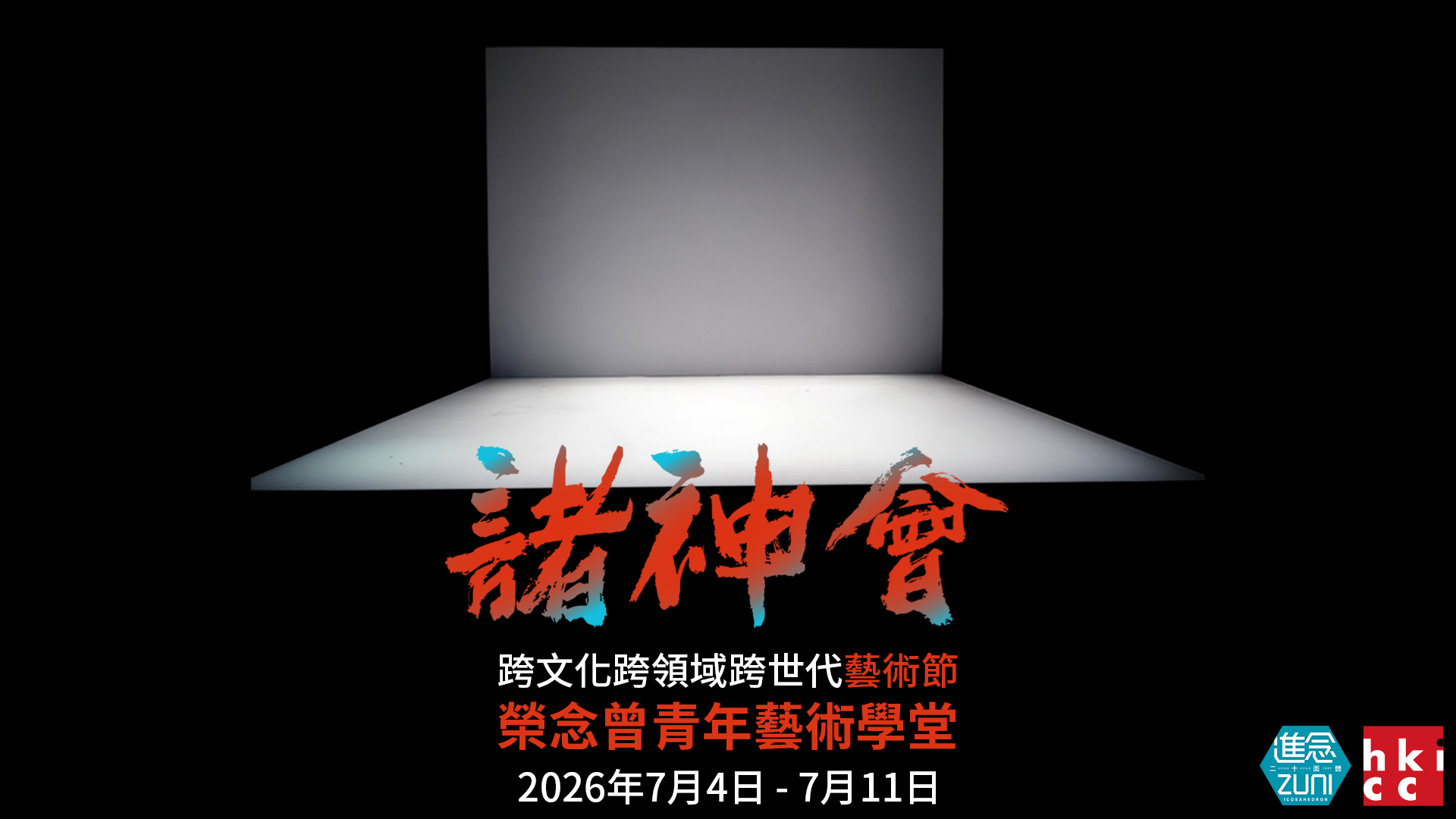
To celebrate the 30th anniversary of the the Hong Kong Institute of Contemporary Culture (HKICC) and the 20th anniversary of the HKICC Lee Shau Kee School of Creativity, Zuni Icosahedron and the Hong Kong Contemporary Cultural Centre jointly present the newly curated Meeting of Gods Festival & Danny Yung Young Artists Academy 2026.
Guided by the idea of “Meeting of Gods”, the Festival revisits and reflects upon the essence of theatre as both a public space and a spiritual arena, bringing together contemporary and traditional performing artists from across Asia.
We invite the audience to be present at the theatre together. Across seven performances, post-show talks, and dialogues, let us collectively perceive the theatre as a sacred place of present-moment gathering.
During the festival, from 5 to 9 July 2026, five “One Table Two Chairs” forums will be held at the Studio Theatre of the HKICC Lee Shau Kee School of Creativity. Hosted by Singaporean intercultural theatre director Liu Xiaoyi and curated by architecture and culture scholar Melody Yiu, the forums bring together artists and participants from diverse fields to explore intercultural issues relating to arts festivals, arts education, cultural institutions, and arts practice.

01 | Arts Festivals -How do experiments in the forms and content of cultural exchange inspire future arts festivals?
02 | Creative Education – How can reforms and innovations in educational institutions cultivate independent and forward-looking values?
03 | Cultural Insitutions – How do cultural institutions recognize and challenge conservative tendencies within their own organizational culture?
04 | Arts in Practice – How do arts practitioners respond to external forces of politics, economics, society, and technology?
05 | Prospective Seminar – Academy and Arts Festival / Reviews and Challenges
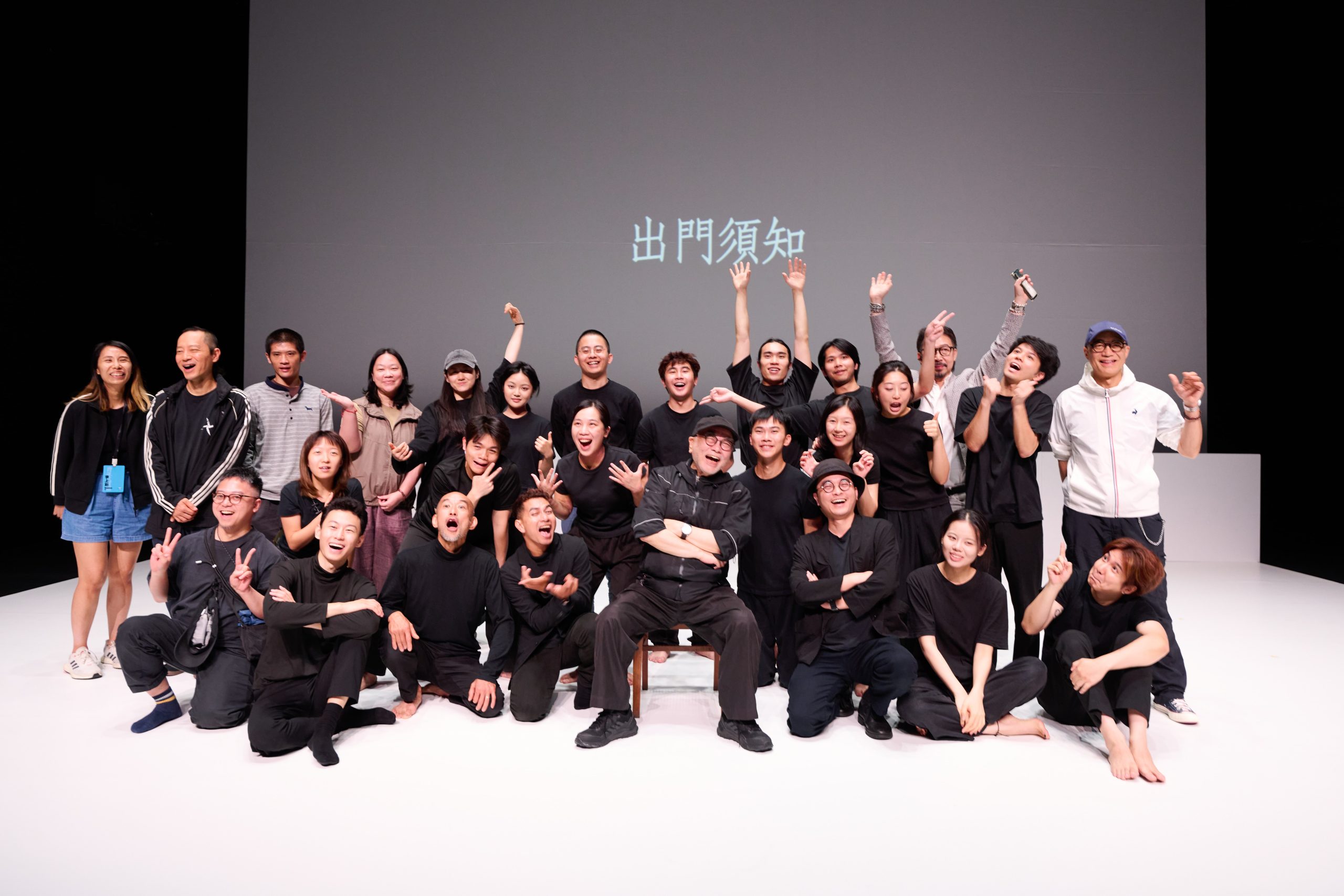
Danny Yung Young Artists Academy 2026 is the second edition this year developed from the 3-year collaboration between Nanyang Academy for Fine Arts, University of the Arts Singapore. 19 final year students of the BA (Hons) Contemporary Chinese Theatres program come to spend 2 weeks in this program curated by Danny Yung for training and exchanges.
Artistic Director, Chief Curator, Director: Danny Yung
Co-curator, Director, Course Instructor: Liu Xiaoyi
Music Director, Director, Course Instructor: Steve Hui (aka NERVE)
Director: Liu Xiaoyi (Singapore)
Performing Artists from Japan, Korea and Cambodia:
Makoto Matsushima (Tokyo), Park Hobin(Seoul), Rady Nget (Phnom Penh)
Jingju Performer: Ren Jia-le (Beijing)
Young Chuanju Performer: Yang Junfeng (Chongqing)
Creative Coordinator: Martin Choy
Artistic Director, Curator, Director: Danny Yung
Co-curator, Director, Course Instructor: Liu Xiaoyi
Cross-cultural Artists, Course Instructors:
Makoto Matsushima, Rady Nget, Park Hobin, Xiao Xiangping, Ren Jiale, Yang Junfeng, Steve Hui (Nerve)
Coordinators: Cindy Cheung, Chloe Li, Jane Cheuk, Martin Choy
Students (Nanyang Academy of Fine Arts | University of the Arts Singapore):
Chang Xiya, Chen Jing, Chua Yin Ling, He Xinyan, Huang Jinghan, Karen Lie Kai Ting, Li Kaiyang, Li Yiran, Lin Jing, Liu Yanqi, Ni Ke, Pan Huishan, Shen Yang, Wang Bo, Wang Juner, Wang Sining, Zhou Chenyi, Zhou Qianhui, Ma Xiaoyu
Young Artists (Hong Kong)
Yeung Sin Tung, Li Sixian, Chuk Ka Lok, Hu Jiashu, Mok Pui Yan, Hui Ka Ling, Wong Fai Ying, Vivian Lin, Curtis Si Tou, Grace Tam, Tang Pui Shan, Arwen Cheung, Zhao Zihui, Chloe (Observer)
Zuni Resident Stage Manager: Chan On Ki
Production Manager and Stage Manager: Leo Siu
Deputy Stage Manager: Carvid Ngai
Lighting Design and Operator: Cheng Lai Chiu
Sound Design and Operator: Fong King Lok
Video Operator: Ziv Chun, Yu Pui Ho
Stage Crew: Keung King Hang, Fung Kwan Tai
Light Crew: Lo Wing Yi, Mok Chi Yeung,
Sound Crew: Zeng Jiaxin
Advisor: Poon Tat Pui
Filming and Editing: Leung Minami Hoi Lam, Hung Ka Hei, Yip Chun Ting, Leung Tsz Ki, So Wing Shun, Yuen Ka Nok
International Exchange Director / Producer: Wong Yue Wai
Assistant Artistic Director: Cedric Chan
General Manager (Administration and Finance): Jacky Chan
General Manager (Programme): Doris Kan
Senior Manager (Programme): Bowie Chow
Senior Manager (Production and Technical): Gavin Chow
Administration Manager: Colin Cheng
Marketing and Outreach Manager: Niki Luk
PR & Publicity: Luka Wong
Ticketing & Digital Marketing: HO Yin Hei
Programme Assistant: Yumi Hui
Graphic Design (Display Board): Coco Cheung
Video (Promotion): Vanilla Guo
Photographer (Documentation): Tree Lo
Yun Yuan
Edward Lam Dance Theatre